

Power Chain Braces: A Comprehensive Guide For New Users
Embarking on an orthodontic journey can be both exciting and overwhelming, especially for those new to braces. Among the various options available today, power chain braces have gained recognition for their effectiveness in straightening teeth and correcting bite issues.
This comprehensive guide aims to demystify power chain braces, making it easier for newcomers to understand what they are, how they function, and the unique benefits they offer during orthodontic treatment.
From proper care and maintenance to addressing common misconceptions, this article will equip you with the essential knowledge you need to navigate your orthodontic experience confidently. Whether you’re considering power chain braces for yourself or a loved one, we’ve got you covered every step of the way.
What Are Power Chain Braces And How Do They Work?
Power chain braces are a type of orthodontic appliance used to improve alignment and spacing of teeth during treatment. They are made from a series of connected elastic links, resembling a chain, that are attached to the brackets of traditional braces. These chains can be either continuous or segmented, providing varying levels of force and flexibility based on the specific needs of the patient.
The primary function of power chains is to apply consistent pressure on the teeth, helping to close gaps, align teeth, or adjust their positioning. When a dentist or orthodontist places a power chain, it works by exerting gentle yet effective force on the teeth, guiding them into their desired positions gradually over time.
During treatment, the orthodontist may adjust the power chain periodically, which helps in maintaining the right amount of pressure on the teeth. This makes them a vital component in the orthodontic process, ensuring that the treatment progresses efficiently and effectively.
power chain braces play an essential role in orthodontic treatment, making it easier to achieve a healthy, aligned smile. Their ability to close gaps and guide teeth into their correct positions is what sets them apart from other forms of orthodontic appliances.
Benefits Of Power Chain Braces For Orthodontic Treatment
Power Chain braces are a popular choice in orthodontic treatment due to their effectiveness and versatility. Here are some key benefits that make them an essential tool for many patients:
- Enhanced Tooth Movement: Power chains are used to apply continuous pressure on the teeth, which helps in closing gaps and aligning them more quickly and effectively than traditional brackets and wires alone.
- Improved Aesthetics: Unlike traditional metal braces, power chain braces can be made in clear or colored options, allowing for a more discreet appearance during treatment.
- Flexibility in Treatment: Orthodontists can customize the use of power chains for different orthodontic needs, whether it’s to close gaps or to correct alignment issues, making them a versatile solution.
- Reduced Treatment Time: By effectively coordinating the movement of multiple teeth, power chain braces can often lead to shorter overall treatment times compared to other methods.
- Minimized Discomfort: Many patients report that power chain braces apply pressure more evenly, which can result in less discomfort compared to traditional elastics.
Overall, the incorporation of power chains into orthodontic treatments helps achieve desired results more efficiently, ensuring a more satisfying experience for patients seeking a straighter smile.

How To Properly Care For Your Power Chain Braces
Taking care of your Power Chain braces is crucial for maintaining oral hygiene and ensuring the effectiveness of your orthodontic treatment. Here are some essential tips to help you properly care for your Power Chain braces:
- Maintain Oral Hygiene: Brush your teeth at least twice a day using a soft-bristled toothbrush and fluoride toothpaste. Focus on cleaning around the brackets and between the chains to prevent plaque buildup.
- Floss Daily: Flossing is vital to remove food particles and plaque that a toothbrush might miss. Consider using a floss threader or orthodontic flosser for easier access around your braces.
- Use Mouthwash: Rinsing with an antibacterial mouthwash can help reduce plaque and gingivitis risk while keeping your breath fresh.
- Avoid Hard and Sticky Foods: Foods like hard candies, popcorn, and sticky sweets can damage your Power Chain braces. Stick to softer foods and cut harder foods into smaller pieces.
- Attend Regular Check-Ups: Make sure to keep all your orthodontic appointments. Your orthodontist will check the condition of your Power Chain and make necessary adjustments to your treatment plan.
- Report Any Issues Promptly: If you experience discomfort, loose brackets, or anything unusual about your braces, contact your orthodontist immediately.
- Stay Hydrated: Drinking plenty of water can help keep your mouth moist and reduce discomfort associated with braces.
By following these care tips, you can ensure that your Power Chain braces remain effective throughout your orthodontic journey, leading to a healthier smile.
What To Expect During Your Power Chain Adjustment Visits
When undergoing treatment with Power Chain braces, adjustment visits are an essential part of the process. These visits typically occur every 4 to 6 weeks, depending on your orthodontist’s plan for your treatment. Here’s what you can expect during these appointments:
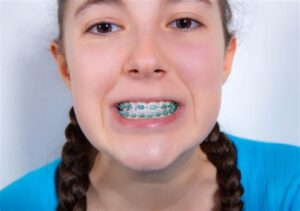
- Initial Assessment: Your orthodontist will first assess the progress of your treatment. They will evaluate how well your teeth are moving and determine if any adjustments are necessary.
- Changing the Power Chains: If your Power Chain needs to be replaced, your orthodontist will remove the old ones and apply new ones. This process may involve removing other components like brackets or wires, depending on your treatment plan.
- Wire Adjustments: Accompanying the change of the chains, your orthodontist might also adjust the archwire to apply the correct amount of pressure needed to help guide your teeth into their desired positions.
- Comfort Checks: Your orthodontist will ask about any discomfort or pain you might have experienced since your last visit. This feedback helps them to make necessary modifications for your comfort.
- Education: The appointment is also a great opportunity for your orthodontist to provide you with additional information or tips on caring for your Power Chain braces, ensuring you maintain oral hygiene during your treatment.
- Scheduling Next Visits: Finally, your orthodontist will schedule your next adjustment. It’s crucial to adhere to this schedule to ensure your treatment stays on track.
Overall, these adjustment visits are straightforward and essential in achieving the desired outcome of your Power Chain braces treatment. Being prepared and informed can help ease any anxiety associated with your appointments.
Common Misconceptions About Power Chain Braces Explained
When it comes to orthodontic treatments, particularly involving Power Chain braces, there are many misconceptions that can lead to confusion. Understanding these myths is crucial for new users to have realistic expectations and a smoother treatment experience.
Here are some of the most common misconceptions about Power Chain braces:
- Power Chains Are Only for Severe Cases: Many believe that Power Chain braces are solely for complex dental issues. In reality, they can be effective for mild to moderate cases as well, depending on the goals of treatment.
- They Cause Excruciating Pain: While some discomfort is natural after adjustments, the idea that Power Chains cause severe pain is exaggerated. The discomfort typically subsides within a few days as your teeth adjust.
- Power Chains Are a Temporary Solution: A common misconception is that Power Chain braces are only a temporary fix. In actuality, they play a significant role in achieving long-term alignment of teeth.
- They’re Just Regular Rubber Bands: Although Power Chains may look similar to rubber bands, they are designed differently and serve a specific purpose in closing gaps and moving teeth more efficiently.
- Taking Care of Them is Hard: Some users feel overwhelmed by the care instructions for Power Chain braces. In truth, they require similar care to traditional braces, making maintenance manageable.
By understanding these misconceptions, new users can approach their orthodontic journey with confidence, knowing what to expect from Power Chain braces and how they contribute to overall oral health.

Frequently Asked Questions
What are power chain braces?
Power chain braces are orthodontic appliances that consist of a series of linked elastic bands, used to apply continuous pressure to teeth for alignment and spacing.
How do power chain braces work?
They work by gradually shifting teeth into the desired position by exerting sustained pressure over time, effectively closing gaps and aligning the dental arch.
What are the benefits of using power chain braces?
Benefits include improved appearance by closing gaps, enhanced bite alignment, and potentially reduced overall treatment time compared to traditional braces.
Are there any discomforts associated with power chain braces?
Yes, users may experience some discomfort or pressure during the first few days after installation or adjustments, but this usually subsides as the teeth begin to move.
How long do you typically wear power chain braces?
The duration varies depending on individual treatment plans, but they are generally worn for several months, often in conjunction with regular braces.
How should you care for power chain braces?
Good oral hygiene is essential; users should brush teeth regularly, floss carefully, and avoid sticky or hard foods that could damage the braces or hinder treatment.
When should you consult your orthodontist about your power chain braces?
Consult your orthodontist if you experience excessive pain, if the power chain becomes damaged or loose, or if you have concerns about the progress of your treatment.
Leave a Reply