
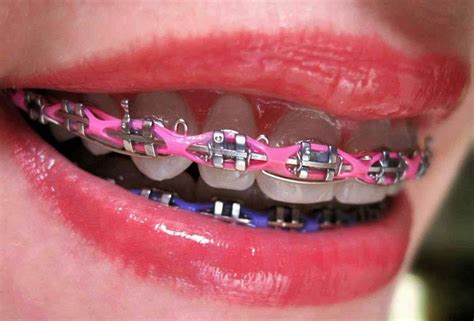
When it comes to achieving a beautiful, straight smile, many patients often wonder about the various orthodontic tools available, including power chain braces. While the primary concern may revolve around the effectiveness of these braces, a common question that arises is: Do power chain braces hurt?
Understanding the dynamics of power chains—how they work, the discomfort associated with their application, and strategies to manage any pain—can significantly ease anxiety for prospective users. In this article, we explore the ins and outs of power chain braces, from the initial sensations felt after application to the long-term effects and benefits they provide.
Whether you’re considering orthodontic treatment or are already on your journey to a straighter smile, we’ve got you covered with insights and tips to make your experience as comfortable as possible.
Understanding Power Chain Braces: Input and Procedure
Power chain braces are an essential tool in orthodontics, often used to move teeth into their desired positions. They consist of elastic links that apply continuous pressure on the teeth. Understanding how these braces work and the procedure for their application can help alleviate some concerns for patients.
The process begins with an orthodontic examination, where the dentist evaluates the patient’s teeth alignment and creates a treatment plan. Once the braces are fitted, the orthodontist will place a series of small brackets on the teeth, and the power chains will be threaded through these brackets. The chains are designed to exert pressure, allowing for the movement of multiple teeth simultaneously.
During the procedure, patients may experience slight discomfort, but it typically subsides quickly. It’s essential for patients to communicate any discomfort or pain during the application so that the orthodontist can adjust the fit for comfort. Regular follow-up visits may be scheduled to check progress and make necessary adjustments to the power chains.
Overall, understanding how power chain braces work can provide peace of mind, especially for those concerned about whether do power chains hurt. The collaborative approach between the patient and orthodontist ensures a tailored experience, potentially minimizing discomfort and maximizing the effectiveness of the treatment.
Initial Discomfort: What Patients Can Expect After Application
After getting your power chain braces applied, it is common to experience some initial discomfort. This discomfort is typically due to the adjustment your teeth and gums must undergo as the braces begin their alignment work. While the level of discomfort can vary from person to person, there are some general sensations that many patients report.
Most often, patients describe a feeling of tightness around the teeth where the power chains are placed. This feeling is a sign that the braces are working to move the teeth into their desired positions. The discomfort can intensify within the first few hours following the application and might last for a few days. It is crucial to understand that this is a normal part of the orthodontic treatment process.

Some patients may also experience soreness in their gums, which can occur particularly in the areas where the brackets and chains are applied. Additionally, it’s not uncommon for individuals to feel a bit of sensitivity when biting or chewing during the initial adjustment phases.
To manage this discomfort effectively, many orthodontists recommend over-the-counter pain relief medications, as well as soft foods that are easier to chew. Staying well-hydrated and rinsing your mouth with warm salt water may also help soothe sore areas in the mouth.
In the following days, your body will start to adapt to the power chains, and the discomfort should gradually ease. It’s important to remain in communication with your orthodontist, especially if the discomfort persists beyond the initial adjustment period. Overall, while the question Do Power chain braces hurt? may evoke concerns, it is an expected and temporary part of the journey towards achieving beautifully aligned teeth.
Pain Management Tips: How to Alleviate Discomfort from Power Chains
Experiencing discomfort after getting power chain braces is common, but there are several effective strategies to help manage and alleviate pain. Here are some tips that may assist you in your journey toward a more comfortable orthodontic experience:
- Over-the-Counter Pain Relievers: Non-prescription medications like ibuprofen or acetaminophen can help reduce pain and inflammation. Always follow the recommended dosage and consult your orthodontist if you have any concerns.
- Cold Therapy: Applying a cold pack to the outside of your mouth can numb the area and reduce swelling. Be sure to wrap the ice pack in a cloth to avoid direct contact with your skin.
- Soft Foods: Eating soft foods can minimize discomfort while chewing. Consider incorporating mashed potatoes, yogurt, and smoothies into your diet until the pain subsides.
- Salt Water Rinse: Rinsing your mouth with warm salt water can help soothe gum irritation and promote healing. Mix about a teaspoon of salt in a glass of warm water and swish gently.
- Orthodontic Wax: If you notice irritation from the brackets or wires, applying orthodontic wax can create a barrier and protect your mouth from further discomfort.
- Regular Follow-Ups: Keep up with your orthodontic appointments. Your orthodontist can make adjustments that may alleviate discomfort more effectively.
By implementing these tips, you can significantly reduce the discomfort associated with power chain braces and have a more manageable orthodontic experience. Remember, do power chain braces hurt? It varies from person to person, but with proper care, you can ease the pain as needed.
Long-Term Effects: Do Power Chain Braces Hurt Over Time?
As patients progress through their orthodontic treatment with power chain braces, it’s natural to wonder about the long-term effects. Initially, many experience some degree of discomfort, but how does this evolve over time?
In general, after the first few days of application, the intense discomfort associated with do power chain braces often diminishes significantly. Most individuals report a more manageable level of pressure rather than actual pain. This happens as the teeth begin to adjust to their new positions, and the soft tissue in the mouth adapts to the braces.
Over the course of treatment, it is not uncommon for patients to experience occasional discomfort during adjustment appointments. Each visit may bring subtle changes and tightening, leading to brief periods of soreness. However, this discomfort is typically short-lived, subsiding within a few days after each adjustment.
Patients with good oral hygiene and adherence to their orthodontist’s care recommendations often experience fewer long-term complications. Though some might feel occasional tightness as tooth movement occurs, most do not report significant pain.
While do power chain braces may cause some discomfort in the long run, this is usually manageable and should not deter patients from continuing their orthodontic treatment. If discomfort persists or becomes severe, it is essential to consult with an orthodontist to address any underlying issues.
The Benefits vs. Discomfort: Do Power Chain Braces Really Work?
When considering orthodontic treatments, many patients wonder, do power chain braces offer more advantages than discomfort? Power chains are a popular option among orthodontists for their efficiency in closing gaps between teeth and consistency in achieving desired tooth movement.
One of the primary benefits of power chains is their ability to correct spacing issues effectively. They provide continuous pressure on the teeth, which can accelerate the movement process compared to traditional braces that may use individual elastic bands. This technique can lead to shorter overall treatment times, which is a significant advantage for many patients.
However, the question of discomfort is valid. As they exert continuous force on the teeth, patients may experience a higher level of discomfort compared to using regular braces. This sensation is often described as a tightening or pulling feeling that can be temporary. While the short-term discomfort can be concerning, it is crucial to understand that this is a sign that the braces are working. Over time, most patients adapt to the sensation, which significantly decreases after the initial adjustment period.
Furthermore, many orthodontists emphasize the importance of following up with pain management tips, such as using over-the-counter pain relievers or applying cold compresses. These methods can help minimize any discomfort associated with the use of power chains.
The decision to use power chain braces should weigh the benefits of effective tooth movement against the potential discomfort. Consultation with an orthodontic professional can provide personalized insights, ensuring that patients feel informed and comfortable with their choices.

Frequently Asked Questions
What are power chain braces?
Power chain braces are elastic chains made of several interconnected elastics that are used in orthodontics to apply pressure and close gaps between teeth.
Do power chain braces cause pain?
Yes, patients may experience discomfort or pain when power chains are first applied or adjusted, as they exert pressure on the teeth and gums.
How long does the pain from power chain braces last?
The discomfort typically lasts a few days after the application or adjustment of the power chains and gradually decreases as the mouth adjusts.
Can I manage the pain from power chain braces?
Yes, pain can often be managed with over-the-counter pain relievers, saltwater rinses, and by applying a cold compress to the outside of the mouth.
Are power chain braces more painful than regular braces?
Some patients report that power chain braces can cause more discomfort than traditional braces due to the additional pressure they apply for closing gaps.
How often will my orthodontist adjust my power chain braces?
Your orthodontist will typically adjust your power chains every 4 to 6 weeks, depending on your treatment plan and progress.
What are the benefits of using power chain braces?
Power chain braces are effective in closing gaps, aligning teeth, and improving overall dental aesthetics, often speeding up the treatment process.
Leave a Reply