
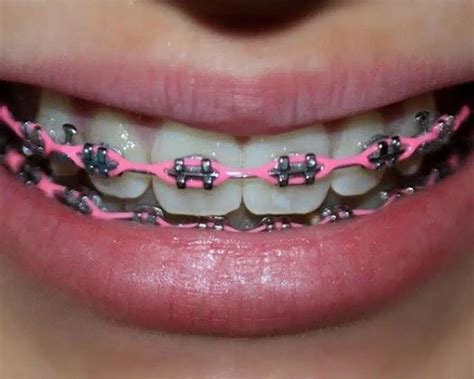
In the world of orthodontics, the journey to a perfect smile offers several options, each with its unique benefits and drawbacks. Among these choices, power chains and traditional braces stand out as popular choices for both teens and adults alike.
But what exactly distinguishes these two methods of teeth straightening? This article delves into the fundamentals of power chains and traditional braces, exploring how each works, their aesthetic differences, effectiveness, and comfort levels.
Whether you’re seeking a quicker result or simply trying to determine which option suits your lifestyle, we aim to equip you with the knowledge needed to make an informed decision on your orthodontic journey. Join us as we navigate the fascinating landscape of dental innovation.
Understanding Power Chains: How They Work In Orthodontics
Power chains are an innovative orthodontic tool designed to provide a more comprehensive approach to teeth alignment compared to traditional braces. Made of a series of connected elastics, these chains wrap around brackets to create a continuous force on the teeth, aiding in their movement. This creates an efficient mechanism for closing gaps between teeth and aligning them effectively.
The primary function of power chains is to apply consistent pressure over an extended period, allowing teeth to shift into their desired positions gradually. This is particularly beneficial for patients who need to close spaces created by missing teeth or previous dental work. When tension is applied through the chain, it helps to guide the teeth into alignment, which can result in quicker corrections in some cases.
Moreover, power chains are often used in conjunction with traditional braces, enhancing their effectiveness. Orthodontists can adjust the tension and placement of the chains during appointments, offering a tailored approach to each patient’s unique dental needs. By leveraging the combined power of braces and chains, patients can enjoy more efficient treatment timelines.
Importantly, while power chains can accelerate treatment, the experience may vary from patient to patient. It’s essential to discuss your specific needs with an orthodontist to determine if this method aligns with your treatment goals.
Comparing The Aesthetics Of Power Chains And Traditional Braces
When it comes to orthodontic treatment, aesthetics play a significant role in patients’ decisions. Both power chains and traditional braces have unique visual characteristics that can influence one’s experience during treatment.
Power chains consist of a series of connected elastic links that are applied to brackets and are often used to close gaps between teeth. They come in various colors, offering patients a way to customize their smile. Many individuals appreciate the color options available, allowing for a more personalized and vibrant appearance, particularly among younger patients who may want their orthodontic treatment to be fun and expressive.
In contrast, traditional braces typically use metal brackets and wires which are less customizable in terms of aesthetics. While some patients can choose colored bands, the metallic look remains prominent, which may not be appealing to everyone. However, there is also the option of tooth-colored ceramic braces, which blend with the natural color of teeth, providing a more discreet appearance than traditional metal braces.

Moreover, power chains can create a fuller look across the arch due to their ability to bring teeth closer together more swiftly, enhancing the appearance of alignment sooner in the treatment timeline. This can boost a patient’s confidence earlier in the process, as they might notice visual improvements before achieving the final result.
The choice between the aesthetics of power chains and traditional braces often depends on personal preference and comfort with various orthodontic options. For those prioritizing a more colorful and expressive treatment, power chains might be the ideal choice, whereas those seeking a more subdued appearance may lean towards traditional or ceramic braces. Understanding these aesthetic differences can help patients make informed decisions about their orthodontic care.
Effectiveness Of Power Chains: Faster Results Compared To Braces
When it comes to orthodontic treatments, the efficiency of Power Chains compared to traditional braces is often a significant consideration for patients. Power chains are essentially a series of connected elastics that are used in conjunction with braces to help close gaps between teeth more effectively. Their design allows for a greater degree of tooth movement over a shorter period of time.
One of the primary advantages of using Power Chains is their ability to deliver quicker results. Traditional braces typically use individual elastics or brackets, which can lead to slower gap closure and tooth alignment. In contrast, power chains apply a continuous, steady force across multiple teeth, facilitating a more rapid shift and helping to streamline the treatment process.
Research has shown that patients utilizing Power Chains may experience reduced overall treatment time. This is particularly advantageous for individuals who may have busy schedules or specific timelines for achieving their desired smile. Moreover, the consistent force provided by power chains can often lead to fewer adjustments needed throughout the treatment.

However, the speed of treatment can vary based on individual factors such as severity of dental misalignment, adherence to treatment plans, and personal oral hygiene practices. While Power Chains can accelerate results, maintaining routine orthodontic appointments and following your orthodontist’s advice remains crucial for achieving optimal outcomes.
For those seeking quicker results in their orthodontic treatment, Power Chains present a compelling choice over traditional braces, offering a blend of efficiency and effectiveness. As always, it’s important to consult with an orthodontic professional to determine the best approach tailored to your specific needs.
Comfort Levels: Power Chains Vs. Traditional Braces Experience
When it comes to orthodontic treatments, comfort is a significant factor that patients consider. Both Power Chains and traditional braces can impact comfort levels differently. Understanding these nuances can help patients make informed decisions about their treatment.
Traditional braces consist of brackets and wires that can sometimes be uncomfortable, especially after adjustments. The pressure from the wires can cause discomfort that may last for several days. Patients may feel soreness in their teeth and gums during this adjustment period, which can affect their overall experience.
On the other hand, Power Chains are made from elastic material that connects multiple brackets. They apply a continuous light force across the teeth, which can sometimes result in a different kind of discomfort. While some patients appreciate the consistent pressure, which can lead to quicker results, others may find the sensation more intense. However, many users report that the pain level associated with power chains tends to diminish quicker compared to traditional braces, as the initial discomfort may be outweighed by the benefits of faster alignment.
Another factor to consider is the oral hygiene routine. Power chains can make cleaning more challenging due to their design, as food particles can easily get trapped in the elastic material. This may lead to some discomfort related to dental hygiene practices, as patients need to be more diligent in maintaining cleanliness to avoid gingivitis or other issues.
Comfort levels can vary significantly from one individual to another. It’s essential for patients to discuss their comfort concerns with their orthodontist, exploring their options for either Power Chains or traditional braces, to find the best fit for their unique needs.
Choosing Between Power Chains And Traditional Braces For Your Needs
When it comes to making a choice between Power Chains and traditional braces, several factors come into play that can significantly affect your orthodontic experience and overall satisfaction. Understanding these differences is key to making an informed decision that aligns with your lifestyle and orthodontic goals.
1. Duration of Treatment: If you are looking for faster results, Power Chains may be the better option for you. They are known to expedite the alignment process, which can be a critical factor for those eager to achieve their desired smile quickly.
2. Aesthetic Considerations: For individuals concerned about aesthetics, Power Chains can be applied in various colors, providing a more personalized touch compared to traditional metal braces. This can be a deciding factor for teens and adults who wish to maintain a discreet appearance.
3. Comfort: Consider your comfort level with orthodontic treatment. While both options have their own level of discomfort during the adjustment phase, some patients report that Power Chains can feel tighter and may cause more soreness than traditional braces at times. This is worth discussing with your orthodontist to weigh your comfort against the benefits of faster results.
4. Specific Dental Needs: Your unique dental situation plays a vital role in the decision-making process. If your orthodontist deems that extensive spacing or tooth movement is needed, Power Chains could be the more effective solution. However, if your correction is straightforward, traditional braces may be sufficient.
5. Cost Considerations: Typically, the cost of Power Chains can be similar to that of traditional braces; however, it’s essential to consult with your orthodontist about the total treatment plan and any additional costs associated with maintenance or adjustments.
The choice between Power Chains and traditional braces should be guided by a thorough consultation with your orthodontist. They can assess your specific needs, preferences, and treatment goals, ensuring that you make the best decision for your oral health and aesthetic desires.

Frequently Asked Questions
What are power chains used for?
Power chains are used in orthodontics to close gaps between teeth and apply continuous pressure, improving the alignment of teeth.
How do traditional braces work?
Traditional braces consist of metal brackets bonded to the teeth, connected by wires, which work together to move teeth into the desired position over time.
What is the main difference between power chains and traditional braces?
The main difference is that power chains are an additional component used with braces to help close space, while traditional braces are the overall system for straightening teeth.
Are power chains more effective than traditional braces?
Power chains are not ‘more effective’ than traditional braces; they are complementary, enhancing the treatment by targeting specific needs like space closure.
What is the duration of treatment with power chains compared to traditional braces?
The duration of treatment varies by individual case, but power chains are typically used for a shorter time period to close gaps within the overall braces treatment timeline.
Do power chains cause more discomfort than traditional braces?
Patients may experience discomfort with power chains similar to that of traditional braces, especially right after adjustments, but this varies by individual.
Can power chains be used with clear aligners?
Power chains are specifically designed for use with traditional metal braces and are not compatible with clear aligners, which use a different method for teeth movement.
Leave a Reply