
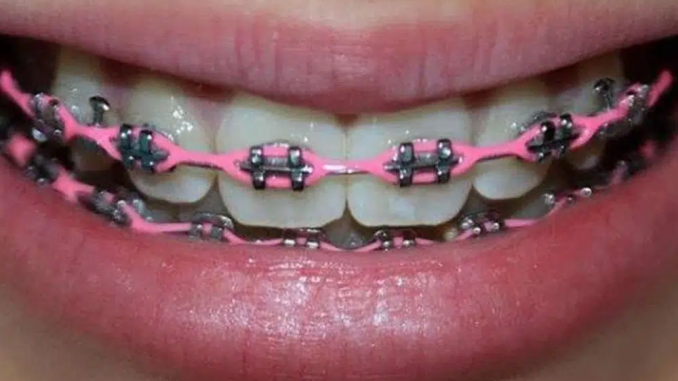
Power chain braces are an essential tool in modern orthodontics, designed to enhance the effectiveness of traditional braces. These innovative devices consist of elastic links that exert continuous pressure on the teeth, facilitating the gradual closure of gaps and alignment of misaligned teeth. When utilized correctly, power chains for braces can dramatically accelerate the orthodontic process, making them invaluable for patients seeking a beautiful smile. In this guide, we will explore how power chains work, the benefits of power chains in closing gaps, and what patients might experience, including any discomfort associated with their application. Understanding these elements can help demystify the use of power chain orthodontics, ensuring patients feel informed and empowered throughout their treatment journey.
In the realm of orthodontic treatments, power chain braces represent a significant advancement in aligning teeth effectively. Also known as elastic chain systems or orthodontic power chains, these devices are crafted from interconnected elastic materials that apply consistent pressure across multiple teeth. This method not only aids in correcting spacing issues but also enhances the overall functioning of braces by ensuring teeth are correctly positioned over time. Patients can benefit greatly from the targeted approach that power chains provide, which is particularly useful after extractions or for those with specific alignment challenges. By familiarizing yourself with how these elastic bands operate, you can better appreciate the journey towards achieving an ideal smile.
What Are Power Chain Braces?
Power chain braces are an innovative component of modern orthodontics, designed to address a variety of alignment issues. Made up of interconnected elastic bands, these chains are attached to the brackets of traditional braces. They are capable of creating a uniform force across multiple teeth, making them highly effective in closing gaps that may occur after tooth extractions or to correct spacing concerns. By distributing pressure evenly, power chain braces facilitate controlled movements essential for aligning and straightening teeth.
The unique design of power chains allows for an enhanced level of precision in orthodontic treatment. Unlike traditional wires that exert localized pressure, power chains apply a broader force that can help multiple teeth shift simultaneously. This means that as you undergo orthodontic treatment, you may notice progress more swiftly, which can lead to improved confidence and satisfaction with your smile. Understanding the role of power chains in braces is crucial for patients, as it helps them appreciate the mechanics behind their treatment.
How Power Chains Work Effectively
The effectiveness of power chains lies in their ability to distribute pressure consistently across the dental arch. When placed on the brackets of braces, power chains function by applying a persistent force that encourages teeth to move towards their ideal positions. This gradual movement is essential for successful orthodontic treatment and often results in the closing of gaps that might otherwise require prolonged intervention. Importantly, this process is continuously monitored by an orthodontist who can make adjustments during regular visits.
Through the careful application of power chains, orthodontists can create a tailored approach to each patient’s specific needs. These chains can be adjusted or replaced during check-ups to ensure that the force remains effective as teeth shift. The control and versatility offered by power chains make them not only crucial to the treatment process, but they also contribute to creating beautiful, well-aligned smiles once treatment is complete. Understanding how power chains work and their interaction with braces can help patients feel more engaged in their orthodontic journey.
Benefits of Using Power Chains in Orthodontics
One of the primary benefits of using power chains in orthodontics is their ability to expedite the closing of gaps between teeth. By applying consistent, even pressure, power chains enhance the efficiency of tooth movement, often leading to shorter treatment times. This is particularly beneficial for patients who wish to achieve their desired smile as quickly as possible. Additionally, power chains can be customized for specific tooth movements, allowing for targeted corrections without affecting surrounding teeth.
Another advantage of power chains is their effectiveness in correcting spacing issues and misalignments. They can be used to align crowded teeth, redistribute forces, and ensure that every tooth is precisely positioned within the dental arch. As a result, patients can expect not only functional improvements in their bite but also significant aesthetic enhancements in their overall smile. Understanding these benefits is key for patients to remain motivated and committed to their orthodontic treatment plan.
Managing Discomfort from Power Chains
While power chains are highly effective in orthodontic treatment, some patients may experience discomfort following adjustments or when they are first applied. This discomfort is typically temporary and can manifest as soreness in the teeth or gums. It’s important for patients to understand that this sensation is a normal part of the adjustment process as their teeth begin to shift. Understanding that this discomfort will diminish with time can help alleviate anxiety related to the adjustment period.
To manage discomfort, orthodontists may recommend over-the-counter pain relievers and proper oral care techniques. Maintaining good oral hygiene, especially after applying power chains, can help minimize any additional discomfort caused by food particles getting trapped in the appliance. Patients should remain proactive in their dental care routines and communicate openly with their orthodontist regarding any pain or discomfort encountered throughout their treatment.
Oral Hygiene Tips with Power Chains
Practicing excellent oral hygiene is crucial for patients undergoing orthodontic treatment with power chains. The elastic material of power chains can trap food particles, making it easier for plaque to accumulate around the braces. To prevent cavities and gum disease, patients should focus on thorough brushing and flossing techniques. Dentists often recommend using interdental brushes and soft bristle toothbrushes to clean around power chains effectively.
Additionally, it’s advisable for patients to avoid sticky or hard foods that may be challenging to clean or could potentially damage the power chains. Regular use of mouthwash can also help keep the mouth clean and reduce plaque buildup. By being diligent about their oral hygiene, patients can ensure the longevity of their braces while promoting overall dental health throughout their orthodontic journey.
The Duration of Treatment with Power Chains
The duration for which power chains remain in place varies significantly among individuals, depending on their specific orthodontic needs. Generally, power chains may be needed for several weeks to several months, with adjustments made during regular appointments every 4-6 weeks. These adjustments are crucial for monitoring progress and ensuring teeth are moving correctly towards their designated positions, providing both flexibility and precision in treatment.
Patients should remain engaged with their orthodontist throughout the treatment period, discussing any changes in comfort or concerns regarding their power chain braces. Understanding that the duration of treatment is tailored to individual needs promotes a sense of ownership over one’s orthodontic journey. Maintaining consistent communication with your orthodontist will help ensure optimal results and encourages patients to remain patient and committed as they work towards a beautiful, aligned smile.
Recent Developments in Power Chain Orthodontics
Recent advancements in orthodontic technology have significantly improved the materials and methods used in power chain application. Modern power chains are made from more flexible and durable elastic materials that are designed to reduce the discomfort often associated with traditional chains while still maintaining effective force on teeth. These developments enhance patient comfort and contribute to more efficient treatment times.
Alongside material improvements, innovative orthodontic tracking technologies are being utilized to provide precise monitoring of tooth movement. This allows orthodontists to make more accurate adjustments and optimize treatment plans as needed. As these technologies continue to evolve, the future of power chain orthodontics looks promising, ensuring that patients achieve both effective and comfortable dental care.
Frequently Asked Questions
What are power chains for braces and how do they work?
Power chains for braces are a series of connected elastic bands that orthodontists use to apply continuous pressure on teeth. This helps to close gaps and align teeth effectively. When attached to brackets, power chains distribute pressure evenly, promoting controlled tooth movement throughout orthodontic treatment.
What are the benefits of using power chain orthodontics?
The benefits of power chain orthodontics include efficient gap closure, improved tooth alignment, and enhanced overall effectiveness of braces. Power chains can exert more force over a larger area compared to traditional wires, making them particularly useful for correcting spacing issues and managing post-extraction gaps.
Is pain from power chains common during orthodontic treatment?
Yes, it is common for patients to experience some discomfort or soreness after power chains are applied or adjusted. This pain typically subsides within a few days and can be managed with over-the-counter pain relievers, allowing patients to continue their orthodontic journey with minimal disruption.
How often are adjustments needed for power chains in braces?
Adjustments for power chains are usually made during regular orthodontic appointments, typically every 4-6 weeks. During these visits, the orthodontist evaluates the effectiveness of the power chains and makes necessary replacements or adjustments to maintain continuous pressure on teeth.
How do power chains differ from traditional orthodontic wires?
Power chains differ from traditional orthodontic wires in that they consist of interconnected elastic bands designed to apply greater pressure across multiple teeth at once. While traditional wires mainly guide tooth movement, power chains offer more targeted application of force, making them ideal for closing gaps between teeth.
What should patients know about oral hygiene while using power chains?
Maintaining good oral hygiene is crucial when using power chains, as their elastic material can trap food particles and plaque, increasing the risk of cavities. Patients should brush and floss regularly and consider using interdental brushes to clean around the power chains effectively, ensuring optimal dental health throughout treatment.
How long will power chains typically be used during orthodontic treatment?
The duration for which power chains are used varies depending on individual orthodontic needs. They may be in place for a few weeks to several months, with regular assessments by the orthodontist to track progress and make necessary modifications to treatment as needed.
| Key Points | Details |
|---|---|
| What Are Power Chains? | Elastic links used with brackets for consistent pressure on teeth. |
| Functionality | 1. Pressure Application: Distributes pressure evenly for gradual movement. 2. Orthodontic Adjustments: Replaced or tightened during regular appointments. |
| Types of Power Chains | 1. Continuous Chains: Full coverage for aligning multiple teeth. 2. Segmented Chains: Targeted use for specific teeth in need of correction. |
| Patient Experience | Initial discomfort commonly experienced; oral hygiene becomes more crucial. |
| Treatment Duration | Varies widely, typically from weeks to months depending on individual needs. |
| Recent Developments | New materials and tracking technologies enhance comfort and efficiency. |
Summary
Power Chain Braces are essential tools in orthodontics, designed to facilitate the alignment of teeth by applying consistent pressure. By understanding their function, types, and the patient experience, individuals can navigate their orthodontic journey with more confidence. Despite the discomfort that might accompany their initial application, patients should prioritize their oral hygiene and regular check-ups with their orthodontist. Advances in materials and technologies are continuously improving the effectiveness of Power Chain Braces, making treatments quicker and more comfortable, ultimately leading to beautifully aligned smiles.
Leave a Reply