
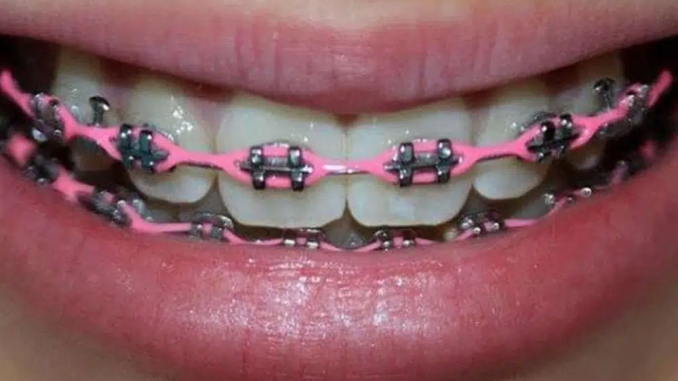
Power chains braces play a pivotal role in modern orthodontic treatment, enhancing the journey toward achieving a beautiful smile. These elastic devices, composed of linked rings, effectively apply continuous pressure on teeth, facilitating significant tooth movement and improving dental alignment. By utilizing power chains during braces treatment, orthodontists can close gaps and realign teeth more efficiently, minimizing treatment duration and boosting overall patient satisfaction. Furthermore, the innovative design of power chains contributes to effective tooth movement, ensuring that each adjustment nudges teeth toward their ideal position. Through this exploration, we will uncover how power chains contribute to successful orthodontic outcomes and the technological advancements that enhance their effectiveness.
In the field of dental alignment, power chain appliances serve as a vital adjunct in facilitating orthodontic processes aimed at correcting misaligned teeth. Known alternatively as elastic chain ligatures, these interconnected elastic bands provide the necessary force to close spaces between teeth during braces treatments. The application of such devices not only streamlines the corrective procedures, promoting rapid tooth movement, but also plays a substantial role in enhancing both the aesthetic and functional aspects of a patient’s smile. This discussion will delve deeper into the myriad benefits of using power chains and their indispensable contribution to achieving optimal dental alignment.
Understanding Power Chains in Orthodontic Treatment
Power chains are a critical tool in orthodontics, designed to enhance the efficiency of braces treatment by facilitating effective tooth movement. By providing continuous and controlled pressure on teeth, they play a crucial role in closing gaps and aligning misaligned teeth. These interconnected elastic rings not only streamline the orthodontic process, but they are also essential in complex cases, such as those requiring space closure after extractions. Understanding their function and application can significantly impact the success of orthodontic care.
Orthodontic treatment relies heavily on the coordination between an orthodontist’s expertise and the tools employed. The role of power chains extends beyond just movement; they actively assist in refining dental alignment and correcting occlusions. As these devices connect different brackets, they enable a systematic approach to tooth positioning, making them indispensable in modern orthodontic practices.
The Mechanism Behind Power Chains
The mechanism of action behind power chains is foundational to their use in effective orthodontic treatment. When applied, they exert a consistent force that encourages tooth movement in a desired direction. This mechanism is vital for achieving desired dental alignment and correcting misalignments efficiently. For orthodontic patients, understanding this mechanism reassures them of the effectiveness of their braces treatment and the speed at which they can anticipate progress.
In addition, power chains allow for versatility in treatment planning. They are particularly useful in cases where multiple gaps exist due to tooth loss or misalignment. The continuous pressure provided by the chains facilitates faster adjustments and can significantly decrease the overall duration of orthodontic treatment, benefiting both patients and orthodontists alike.
Clinical Advantages of Power Chains
Clinical efficacy studies have highlighted the advantages of incorporating power chains in orthodontic regimens. Notably, research indicates that these devices can greatly reduce the time patients spend in braces, making treatment less burdensome. For instance, studies have established that power chains expedite space closure, which is especially advantageous for patients who have undergone tooth extractions. This efficiency enhances patient satisfaction and compliance, as patients often prefer shorter treatment durations.
Moreover, the use of power chains has been shown to improve treatment predictability. By effectively closing gaps and aligning teeth, they contribute to a comprehensive approach to orthodontic care, which can lead to better long-term outcomes for patients. The evidence supporting their use is compelling, as patients often report significant improvements in their dental health and aesthetics.
Patient Comfort with Power Chains
In contemporary orthodontics, patient comfort is not just a consideration; it’s a priority. Modern power chains have been designed with patient comfort in mind, utilizing advanced elastic materials that reduce discomfort during wear. This innovation significantly impacts the overall patient experience, as less discomfort leads to better compliance with wearing appliances as prescribed and a more positive journey through orthodontic treatment.
Furthermore, power chains are now available in a range of colors and styles that appeal particularly to younger patients. This aesthetic aspect can enhance the motivation to wear braces, reminding us that the psychological factors tied to aesthetics play a considerable role in patient adherence to treatment plans. When patients feel good about their orthodontic appliances, they are more likely to see the process through to completion.
The Role of Aesthetics in Orthodontic Treatment
The intersection of aesthetics and orthodontics is essential, particularly for younger patients and those undergoing long-term braces treatment. Power chains, with their customizable colors and designs, allow patients to express their individuality while addressing their dental alignment issues. Such aesthetic options play a significant role in keeping patients engaged and motivated throughout their orthodontic journey.
Moreover, orthodontists increasingly recognize the importance of aesthetics in treatment planning. By choosing power chains that cater to patient preferences, dental professionals can improve the overall orthodontic experience. This consideration not only enhances patient satisfaction but also drives compliance with treatment, ultimately leading to better outcomes for dental health and alignment.
Technological Advances Enhancing Power Chains
As technology continues to evolve, so too does orthodontic treatment. Innovations such as 3D printing and digital modeling are redefining the use of power chains in braces treatment. These technologies allow for precise customization, tailoring power chains to fit each patient’s unique dental structure. This level of personalization ensures that the forces applied are as effective and comfortable as possible.
The advancement in technology not only streamlines the treatment process but enhances predictability in treatment outcomes as well. Orthodontists can simulate treatment plans and visualize the results, leading to informed decisions about the application of power chains and other orthodontic devices, thereby improving patient satisfaction and efficacy in dental alignment.
Considerations in Planning Power Chain Treatment
When it comes to orthodontic treatment that involves power chains, careful planning is critical. Orthodontists must take into account various factors such as the specific dental anatomy of each patient and the desired outcomes. Customizing the type, force, and duration of power chain use is essential for maximizing their effectiveness in closing gaps and aligning teeth.
Additionally, the spacing of the links in the chains can also influence treatment results. Understanding these nuances allows orthodontists to create personalized treatment plans that cater to the individual needs of their patients, thereby ensuring that power chains contribute to optimal results. Comprehensive planning not only aids in the immediate treatment outcomes but also helps cultivate long-term dental health.
Frequently Asked Questions
What are Power Chains Braces and how do they assist in orthodontic treatment?
Power Chains Braces are elastic devices used in orthodontic treatment that consist of interconnected rings designed to apply continuous pressure to teeth. This pressure facilitates effective tooth movement by helping to close gaps and realign misaligned teeth, making them a crucial tool in achieving dental alignment.
How do Power Chains enhance the effectiveness of braces treatment?
Power Chains enhance braces treatment by providing consistent force on brackets that connect different teeth. This allows for quicker space closure and more efficient correction of dental alignments, making treatment shorter and more effective, particularly after tooth extractions.
What is the role of power chains in creating effective tooth movement during orthodontic care?
The role of power chains in effective tooth movement is to generate continuous pressure on the teeth, which is vital for shifting them into the desired positions. By connecting multiple brackets, power chains enable rapid progress towards optimal dental alignment.
Are Power Chains Braces comfortable to wear during orthodontic treatment?
Yes, modern Power Chains Braces are designed for comfort. They are made from advanced elastics that are thinner and more flexible, minimizing discomfort while allowing for effective tooth movement. Additionally, their aesthetic designs can enhance patient morale.
How have recent studies highlighted the benefits of using Power Chains in braces treatment?
Recent studies have shown that incorporating Power Chains into braces treatment can significantly reduce the time patients spend in orthodontic appliances. These findings indicate that power chains not only facilitate quicker results but also improve overall patient compliance.
What are the considerations for orthodontists when using Power Chains in treatment planning?
Orthodontists must consider the specific dental anatomy of each patient when using Power Chains. This includes adjusting the force applied, the spacing of the chain links, and recommended wear duration, all of which can influence treatment outcomes and efficacy.
How can technology improve the application of Power Chains in orthodontic treatment?
Technology, such as 3D printing and digital orthodontic modeling, enhances the customization of Power Chains for individual patients. This precision leads to better fit and efficiency in treatment planning, ensuring more predictable outcomes and higher patient satisfaction.
| Key Point | Description |
|---|---|
| Mechanism of Action | Power chains apply continuous pressure to move teeth, aiding in closing gaps and aligning misaligned teeth. |
| Clinical Efficacy | Power chains enhance treatment speed and patient compliance by reducing time in braces, especially beneficial after extractions. |
| Patient Comfort and Aesthetics | Modern power chains are thinner, more flexible, and come in various colors to appeal to aesthetic preferences. |
| Considerations in Treatment Planning | Customization based on unique dental anatomy is crucial for effective use of power chains. |
| Technological Advancements | 3D printing and digital modeling are improving customization and predictability of power chains in treatments. |
Summary
Power chains braces are essential tools in achieving optimal orthodontic treatment outcomes. Their capability to apply continuous pressure facilitates effective tooth movement, leading to better alignment and closure of gaps. With advancements in materials ensuring increased patient comfort and aesthetic appeal, these braces have become a preferred choice for many undergoing orthodontic treatment. As technology evolves, the future of power chains braces promises even greater customization and efficiency, reaffirming their significance in the orthodontic landscape.
Leave a Reply