
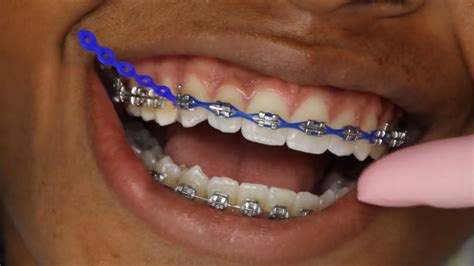
Are you considering braces and wondering about the different components that can enhance your orthodontic journey? Look no further! In our article, Common Questions About Braces Power Chains Answered, we delve into one of the most effective tools in modern orthodontics: power chains.
These flexible bands, designed to connect brackets on your braces, play a crucial role in closing gaps and aligning teeth effectively. We aim to address your most pressing questions, from understanding how power chains work to gauging pain levels associated with their use.
Plus, we’ll explore how they contribute to beautiful smiles and provide guidance on maintenance and expected results. Whether you’re a first-time braces wearer or looking to deepen your knowledge, this article is here to provide clarity on everything power chains have to offer.
What Are Braces Power Chains And How Do They Work?
Common Questions regarding braces power chains often arise due to their pivotal role in orthodontic treatment. Power chains are essentially a series of connected rubber bands that are placed on the brackets of traditional braces. They serve to enhance the effectiveness of braces by providing continuous pressure on the teeth, helping to close gaps and align them more effectively.
The primary function of power chains is to move teeth into their desired positions. When applied, they create a firmer grip compared to individual elastic bands, allowing orthodontists to exert more force for adjustments. This continuous tension helps accelerate the process of straightening teeth, leading to more efficient treatment outcomes.
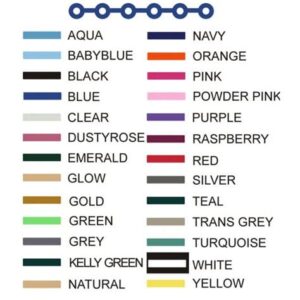
Power chains can be used in various situations, such as closing spaces after tooth extractions, correcting crowded teeth, or aligning irregularly spaced teeth. Depending on the treatment plan, your orthodontist will choose the appropriate type of power chain, which may vary in color and size to fit your aesthetic preferences.
Braces power chains work by creating additional force to guide the movement of teeth, responding to the needs of each individual patient. If you have further common questions about the specifics of how power chains are integrated into your orthodontic plan, consulting your orthodontist will provide you with personalized insights and clarifications.
Common Questions About Pain Level With Power Chains
One of the most frequently asked questions about braces and orthodontic treatments is how uncomfortable power chains can be. Understanding the pain level associated with power chains is essential for those undergoing treatment. Here are some common questions and answers regarding this topic:
- Do power chains hurt more than regular braces? Many patients report that power chains can cause a bit more discomfort than standard braces. This discomfort usually arises after an adjustment when the force from the chain is applied to the teeth.
- How long does the pain last? The pain experienced when first using power chains typically lasts from a few hours to a couple of days. It usually subsides as your teeth begin to adjust to the pressure.
- What can I do to relieve the pain? Over-the-counter pain relievers, such as ibuprofen or acetaminophen, can help manage discomfort. Additionally, using a warm saltwater rinse may provide soothing relief.
- Is the pain a sign that the treatment is working? Yes, some discomfort can indicate that the power chains are applying the necessary pressure to move your teeth into the correct position. It’s crucial to monitor your pain levels and communicate any concerns with your orthodontist.
Understanding these common questions about pain levels can help alleviate anxiety for those considering or currently using power chains in their orthodontic treatment. If you have further concerns, don’t hesitate to reach out to your orthodontist for personalized advice and support.
The Development Of Beautiful Smiles With Power Chains
Power chains are a crucial component in orthodontics, especially for enhancing the development of beautiful smiles. These chains are made up of elastic links that connect the brackets on the dental arch and are instrumental in closing gaps between teeth and aligning them properly. The significance of power chains goes beyond mere aesthetics; they provide a systematic way to apply consistent pressure on teeth, effectively guiding them into their desired positions.

When orthodontists utilize power chains, they can achieve quicker results in the alignment process, which is a significant advantage for patients eager to see improvements in their smiles. Furthermore, the uniform pressure exerted by power chains helps in correcting bite issues, allowing for a more balanced and harmonious dental structure.
As part of your journey towards achieving the ideal smile, it is essential to maintain open communication with your orthodontist regarding the use of power chains. They can provide you with personalized insights and adjustments based on your specific needs. Ultimately, addressing your common questions will enhance your understanding of how power chains contribute not only to the beauty of your smile but also to the overall health of your teeth and gums.
Common Questions Regarding Power Chain Maintenance
Maintaining your braces and power chains is crucial for achieving the best results in your orthodontic treatment. Here, we address some common questions about the maintenance of power chains, helping you to keep your smile on track.
- How often should I visit my orthodontist for adjustments? It’s generally recommended to visit your orthodontist every 4-6 weeks, but your orthodontist will provide a specific timeline based on your treatment plan.
- Can I eat normally with power chains? While you can eat most foods, it’s best to avoid sticky, hard, or chewy foods that could damage your braces or power chains. Opt for softer foods to reduce discomfort.
- How should I clean my teeth with power chains? Maintaining good oral hygiene with power chains is essential. Brush your teeth at least twice a day and ensure to use floss or interdental brushes to clean around the chains and brackets effectively.
- What should I do if my power chain breaks? If your power chain becomes damaged, contact your orthodontist immediately. They will schedule an appointment to replace it and ensure your treatment continues smoothly.
- Do power chains require special care? While they do not require special cleaning products, you should be mindful of your diet and maintain regular dental hygiene habits to prevent plaque buildup and other complications.
By addressing these common questions about power chain maintenance, you will be well-equipped to manage your orthodontic care effectively and confidently!
Understanding The Results Of Using Power Chains In Orthodontics

Power chains are an essential tool in orthodontics, designed to enhance the effectiveness of braces by providing continuous force. Unlike traditional elastic ties, which only connect individual brackets, power chains connect multiple brackets along an archwire. This results in several significant benefits for orthodontic treatment.
One of the most notable results of using power chains is their ability to close gaps between teeth effectively. Common questions often arise regarding how quickly these gaps can close. In general, the timeframe varies based on individual circumstances, including the size of the gaps and the specific orthodontic case. Typically, patients may start to notice changes within a few weeks of starting power chain treatment.
Another important outcome is the improved alignment of the teeth. Power chains apply consistent pressure, which helps guide the teeth into their desired positions more efficiently. This means that orthodontists can often achieve desired results in a shorter overall treatment time, benefiting patients who are eager to see their smiles transform.
Additionally, power chains can assist in managing bite relationships more effectively. By applying force to specific areas, they can help align the upper and lower teeth, leading to a well-balanced bite. This is crucial not only for aesthetic purposes but also for long-term dental health and function.
Moreover, the longevity of results achieved with power chains is notable. When used correctly, the results can be stable, contributing to lasting smile improvements. This reliability is part of what makes power chains a popular choice in orthodontic practices worldwide.
The use of power chains in orthodontics can lead to faster gap closure, improved tooth alignment, and better bite relationships—all of which contribute to achieving beautiful and functional smiles. Patients often leave the orthodontist’s office with a sense of excitement as they see the results unfold, illustrating the effectiveness of these power tools in dental care.
Frequently Asked Questions
What is a braces power chain?
A braces power chain is a series of connected elastic links used in orthodontics to close gaps between teeth or to provide additional force when straightening teeth.
How do power chains work?
Power chains work by applying continuous pressure to the teeth, which helps in moving them into the desired position over time, effectively closing gaps or aligning misaligned teeth.
Are power chains painful?
It is common to experience some discomfort or pressure after power chains are applied, especially in the first few days, but this pain usually subsides as your teeth begin to adjust.
How long do power chains usually last?
Power chains are typically replaced every 4 to 6 weeks during regular orthodontic appointments, depending on individual treatment progress and the orthodontist’s recommendations.
Can power chains be used with any type of braces?
Yes, power chains can be used with various types of braces, including metal, ceramic, and lingual braces, as they are designed to work with any orthodontic wire system.
How should I care for my teeth while wearing power chains?
Maintaining good oral hygiene is essential; make sure to brush and floss regularly, and consider using a soft-bristled toothbrush and an antibacterial mouthwash to reduce the risk of cavities and gum disease.
What should I do if my power chain breaks?
If your power chain breaks, you should contact your orthodontist as soon as possible to schedule a repair appointment. Avoid attempting to fix it yourself, as it may affect your treatment progress.
Leave a Reply