

In the ever-evolving field of orthodontics, achieving optimal tooth alignment and a beautiful smile goes beyond traditional braces. One essential tool in this journey is the power chain, a specialized orthodontic device designed to enhance treatment efficiency.
Power chains consist of a series of connected elastics that apply continuous pressure on teeth, facilitating swift and effective movement. This article aims to unpack the critical role of power chains in orthodontic treatment, exploring how they work, the advantages they offer to patients, and the key factors that influence their effectiveness.
From understanding their functionality to evaluating treatment outcomes, we’ll delve into the transformative impact of power chains, making them an invaluable asset in modern orthodontic practices.
Understanding The Role Of Power Chains In Orthodontic Treatment
The role of power chains in orthodontic treatment is pivotal for achieving optimal results in dental alignment and occlusion. Power chains are made from elastic materials and are used in conjunction with brackets to help move teeth more efficiently by providing a continuous force. These chains can connect multiple brackets, creating a unified method of tension that aids in the movement of teeth in different directions.
One major function of power chains is to assist with space closure. Whether closing gaps left by extracted teeth or aligning crowded teeth, power chains apply consistent pressure that can facilitate faster movement compared to traditional ligatures. Additionally, their versatility allows orthodontists to adjust the force applied, tailoring the treatment to the specific needs of each patient.
Moreover, power chains can significantly enhance the anchorage system in orthodontics. By connecting brackets across multiple teeth, they create a stabilizing effect that helps to prevent unwanted tooth movement during the treatment process. This controlled and directed force is essential for achieving precise tooth positioning, particularly in complex cases.
Overall, the role of power chains in orthodontic treatment cannot be underestimated. Their ability to enhance tooth movement efficiency, provide space closure, and improve anchorage makes them a valuable tool in the orthodontist’s arsenal, ensuring patients receive effective and timely treatment outcomes.
How Power Chains Facilitate Efficient Tooth Movement
Power chains play a crucial role in enhancing the efficiency of tooth movement during orthodontic treatment. These elastic chains connect individual brackets on the braces, creating a continuous force that can effectively move multiple teeth simultaneously. This design makes them particularly beneficial for addressing various orthodontic issues, from spacing to alignment.
One of the primary advantages of using power chains is their ability to apply consistent and controlled pressure on the teeth involved in the treatment. Unlike traditional rubber bands, power chains distribute the force evenly, allowing for a more uniform movement. This is vital for achieving the desired results within the planned timeframe. As such, the role of power chains not only accelerates the treatment process but also reduces the likelihood of misalignment during shifting.
Moreover, power chains can be customized to suit the specific needs of each patient. Orthodontists can adjust the tension and length of the chain based on the stage of treatment and the unique dental structure of the patient. This adaptability ensures that the role of power chains is maximized, optimizing treatment outcomes and enhancing patient comfort.
Additionally, power chains are instrumental in closing gaps (spaces between teeth) effectively. The continuous pull they exert helps in reducing the time spent in treatment while promoting better esthetics as the gaps close. By facilitating these movements more efficiently than other orthodontic techniques, power chains reinforce their invaluable role in modern orthodontics.
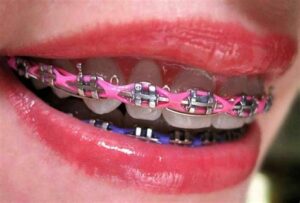
Power chains are an essential tool in the orthodontic arsenal, significantly contributing to the efficient movement of teeth. Their consistent force application, customization options, and effectiveness in space closure make them a preferred choice for practitioners, thereby underscoring their essential role in enhancing orthodontic treatment efficiency.
The Benefits Of Using Power Chains For Patients
Power chains are a crucial element in orthodontic treatment, offering several benefits that enhance both the efficiency of the process and the overall patient experience. Here are some key advantages:
- Consistent Force Application: One of the most significant benefits of power chains is their ability to provide a constant and controlled force on the teeth. This consistent pressure is pivotal for effective tooth movement, resulting in quicker treatment times.
- Improved Aesthetic Outcomes: Power chains can help in closing gaps between teeth more effectively than traditional methods. This not only contributes to a healthier bite but also enhances cosmetic results, which is often a primary concern for patients.
- Versatility: Power chains are versatile and can be used in various stages of orthodontic treatment. They can aid in not just closing spaces but also in aligning teeth and correcting bite discrepancies.
- Enhanced Comfort: Compared to individual elastic bands, power chains may provide a more comfortable experience for patients by minimizing the need for frequent adjustments and reducing the number of materials placed in the mouth.
- Reduction of Treatment Duration: By streamlining the process of tooth movement, power chains can potentially shorten the overall treatment timeline, allowing patients to achieve their desired results faster.
- Reduced Need for Additional Appliances: Power chains can sometimes eliminate the need for additional orthodontic devices, which simplifies the treatment plan and can make the experience less intimidating for patients.
The strong benefits of using power chains in orthodontic treatments not only contribute to more effective and efficient outcomes but also align with the patient’s aesthetic and comfort preferences. Through the use of power chains, orthodontists can enhance the overall experience while maintaining their focus on the role of orthodontic care in achieving a beautiful, healthy smile.
Key Factors Influencing The Role Of Power Chains
Understanding the factors that influence The Role of power chains in orthodontic treatment is essential for achieving optimal outcomes. Here are some key considerations:

- Type of Malocclusion: Different malocclusions require distinct approaches. The type of bite misalignment will dictate how power chains are utilized in treatment.
- Teeth Alignment Goals: The specific alignment objectives set by the orthodontist can impact the effectiveness of power chains. Clear goals allow for targeted force application.
- Material Properties: The elasticity and strength of the power chains play a significant role in their performance. High-quality materials tend to provide more consistent force delivery.
- Clinical Technique: The orthodontist’s expertise in applying power chains correctly is vital. Proper placement can optimize the pressure applied to teeth, enhancing movement.
- Patient Compliance: A patient’s adherence to care instructions, including how they manage their oral hygiene and care for their appliances, influences treatment effectiveness.
- Stage of Treatment: The timing of power chain application throughout the various phases of treatment can affect their overall efficacy. Different stages may require varying force levels.
- Age and Biology: The biological response to orthodontic forces can vary with age; younger patients may respond more favorably to power chains than adults.
These factors collectively determine The Role of power chains in orthodontic treatment, influencing everything from tooth movement rates to overall treatment duration. A thorough evaluation by an orthodontist ensures the optimal use of power chains based on these factors.
Evaluating Treatment Results With Power Chain Applications
When assessing the effectiveness of orthodontic treatments that utilize power chains, several evaluation metrics are critical in determining the success of the procedure. The role of power chains in moving teeth efficiently necessitates careful monitoring of the treatment’s progress.
One of the primary methods of evaluating treatment results is through regular clinical assessments. Orthodontists typically examine the alignment and positioning of the teeth at various stages of the treatment. Observations include:
- Changes in dental arch form
- Tooth movement towards the intended final positions
- Inter-arch relationships and occlusal harmony
In addition, the role of radiographs cannot be overlooked. X-rays can provide insight into the internal structures of the teeth and the jaw, offering a clear view of how the power chains are affecting the underlying bone. This information is crucial for evaluating whether the movement is within the desired range and if there are any potential complications arising from the pressure applied by the chains.
Patient feedback also plays a significant role in this evaluation process. Gathering insights from patients about their comfort levels and any discomfort they might experience during treatment can inform the orthodontist about the effectiveness of the power chains employed. By analyzing patient satisfaction alongside clinical data, orthodontists can make informed adjustments to the treatment plan if necessary.
Successful evaluation of treatment results will ensure that the application of power chains continues to enhance orthodontic outcomes, providing patients with improved smiles and functional bite corrections.

Frequently Asked Questions
What are power chains in orthodontics?
Power chains are continuous elastic chains that orthodontists use to exert constant pressure on teeth to help align them properly during treatment.
How do power chains differ from traditional orthodontic elastics?
Unlike traditional elastics, which are used individually to connect brackets or appliances, power chains are a series of connected elastics, providing a more consistent and stronger force on multiple teeth at once.
When are power chains typically used in orthodontic treatments?
Power chains are often used during various stages of orthodontic treatment, particularly when closing gaps between teeth or when a more uniform force is needed on a set of teeth.
Are there different types of power chains?
Yes, power chains come in different widths and sizes, allowing orthodontists to choose the appropriate type based on the specific treatment goals and patient needs.
What are the advantages of using power chains?
Power chains provide a continuous force on multiple teeth, allowing for more effective tooth movement, reducing the total treatment time, and improving the overall alignment of the dental arch.
Can power chains cause discomfort during treatment?
Patients may experience some discomfort when power chains are first applied or adjusted, but this typically subsides as the teeth begin to move into place.
How long do patients usually wear power chains?
The duration for which power chains are worn varies depending on the individual’s treatment plan, but they can be used from a few weeks to several months, as directed by the orthodontist.
Leave a Reply