
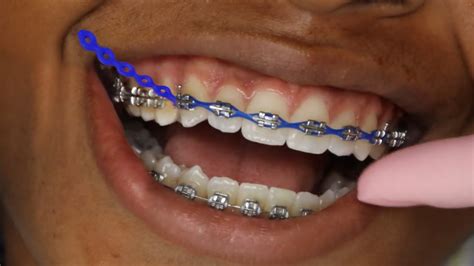
When it comes to orthodontic treatments, power chain braces offer a powerful solution for achieving beautifully aligned smiles. However, like all dental devices, they come with their own set of considerations.
In this article, we delve into the intricacies of power chain braces, unpacking their mechanics and the common side effects patients may encounter during treatment. Understanding how these robust elastics work is essential for ensuring optimal oral health, particularly as we explore the discomfort they can sometimes cause.
We will provide practical tips for managing any associated discomfort and evaluate the potential long-term effects on your smile. Whether you’re currently in treatment or considering power chain braces, this comprehensive guide aims to equip you with valuable insights for your orthodontic journey.
Understanding The Mechanics Of Power Chain Braces
Power chain braces are an essential tool in orthodontics, designed to enhance the effectiveness of traditional braces. They consist of a series of interconnected elastic links that form a continuous chain. This design allows for a greater force to be applied to multiple teeth at once, making them particularly useful for closing gaps or correcting alignment issues.
The primary function of power chains is to exert consistent pressure on the teeth and surrounding structures, guiding them into their desired positions over time. This pressure is distributed evenly across the teeth, promoting more efficient tooth movement compared to individual elastics.
Power chains can be made from various materials, typically latex or non-latex options, catering to patients with latex allergies. The choice of material can affect the overall comfort and adaptability of the braces, but both types work effectively in their roles.
When a patient receives power chain braces, they may notice various adjustments in their teeth’s positioning as treatment progresses. Orthodontists often incorporate power chains into treatment plans following bracket placement to ensure optimal alignment. The strength and elasticity of the power chain may vary depending on the desired treatment outcome, usually configured by the orthodontist to meet individual patient needs.
Understanding the mechanics of power chain braces is crucial for patients, as it helps them appreciate their role in the orthodontic journey. The process can be uncomfortable at times, but knowing that power chains play a vital role in achieving a straight and beautiful smile can provide reassurance and motivation. Exploring The ways power chains work empowers patients to participate actively in their treatment, fostering better communication with their orthodontist about their experience.
Identifying Common Side Effects Of Power Chain Braces
When undergoing orthodontic treatment with power chain braces, patients may experience a variety of side effects as their teeth shift into desired positions. Recognizing these common side effects can help in managing expectations and addressing any concerns with your orthodontist. Here are some of the notable side effects:
- Discomfort or Pain: Patients often report discomfort, particularly after adjustments. This pain typically stems from the pressure exerted on the teeth by the power chains.
- Jaw Pain: In some cases, the alignment process can lead to jaw discomfort or soreness, particularly in the muscles surrounding the jaw.
- Increased Sensitivity: Teeth may become more sensitive to hot and cold temperatures due to the shifting process. This sensitivity can be temporary but might require adjustments in diet.
- Oral Sores: The friction between the power chains and the inner mouth can cause irritation, leading to sores or ulcers.
- Difficulty Eating: Due to discomfort and sensitivity, many patients find it challenging to eat certain foods, especially hard or crunchy items.
- Changes in Speech: Some patients experience a temporary alteration in speech as they adjust to the sensation of the braces.
- Allergic Reactions: While rare, some individuals may have an allergic reaction to the materials used in power chains, causing irritation or rashes.
It’s important to communicate any persistent side effects with your orthodontist, as they can provide effective solutions and ensure that the treatment process remains as comfortable as possible.
Exploring The Impact Of Power Chain Braces On Oral Health
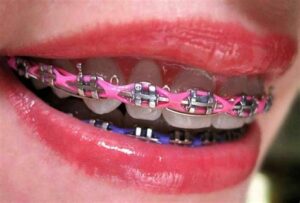
Exploring The effects of power chain braces on oral health is an essential aspect for patients undergoing orthodontic treatment. Power chain braces are a popular choice among orthodontists for their ability to effectively close spaces between teeth and align them properly. However, this effectiveness can lead to various implications on oral health that should be considered.
One of the primary impacts of power chain braces is the potential for increased discomfort and soreness in the gums and teeth. As they apply continuous pressure to the teeth, patients may experience tenderness, which can affect daily activities like eating and brushing. This discomfort often leads to patients neglecting their oral hygiene, increasing the risk of plaque buildup and subsequent dental issues.
Another important consideration is the impact on gum health. The pressure exerted by power chains can affect the gingival tissue, potentially leading to inflammation and even gum recession if not properly monitored. Regular check-ups with the orthodontist and maintaining good oral hygiene practices are vital in preventing such complications.
Additionally, power chain braces can influence the alignment of teeth, which in turn affects occlusion. Misaligned teeth due to pressure points may lead to bite problems, further complicating an individual’s oral health. It’s vital for patients to discuss these concerns with their orthodontist to ensure their treatment progresses healthily and effectively.
exploring the overall impact of power chain braces on oral health involves a comprehensive approach that includes regular monitoring, effective oral hygiene, and open communication with dental professionals. By doing so, patients can enjoy the benefits of orthodontic treatment while minimizing potential health risks.
Managing Discomfort: Tips For Patients With Power Chain Braces
Experiencing discomfort is a common side effect among patients undergoing orthodontic treatment with power chain braces. While this can be a normal part of the adjustment process, there are several strategies you can employ to alleviate discomfort and enhance your overall experience.

Here are some effective tips for managing discomfort:
- Over-the-Counter Pain Relievers: Taking NSAIDs, such as ibuprofen or acetaminophen, can help reduce pain and inflammation temporarily. Always follow the dosage instructions provided by your healthcare professional.
- Cold Compress: Applying a cold compress to your cheeks can help soothe the area and reduce swelling. Aim for 10-15 minutes of application several times a day.
- Soft Foods: Stick to a diet of soft foods during the initial days of adjustment. Foods like yogurt, mashed potatoes, and smoothies are gentle on sensitive teeth.
- Saltwater Rinse: A warm saltwater rinse can provide relief and is beneficial for maintaining oral hygiene. Mix one teaspoon of salt in a glass of warm water and rinse gently.
- Orthodontic Wax: Use orthodontic wax to cover any areas where the braces might be causing irritation to your gums and cheeks. This creates a barrier between the metal and soft tissue.
- Maintain Oral Hygiene: Keeping your mouth clean is essential. Regular brushing and flossing can help prevent any additional irritation due to food particles trapping around the braces.
- Communicate with Your Orthodontist: If discomfort persists or worsens, reach out to your orthodontist. They can adjust the aggression of the braces or address any specific concerns you may have.
By employing these strategies, you can better manage discomfort while wearing power chain braces. Remember, patience is key, and soon you’ll be on your way to achieving that beautiful smile.
Evaluating The Long-Term Effects Of Power Chain Braces On Smiles
Power chain braces are commonly used in orthodontic treatment to correct alignment issues, but it’s essential to exploring the long-term effects they may have on one’s smile. Over time, the impact of these braces can become evident in various aspects of oral health and aesthetic appearance.
One of the most significant long-term effects observed with power chains is the degree of tooth movement achieved. When applied correctly, these braces can successfully close gaps and align teeth. However, if not monitored, there is a risk of teeth shifting back to their original positions, leading to relapse. Regular follow-ups with an orthodontist can mitigate this risk.
Another aspect to consider is the health of the gums and bone surrounding the teeth. Extended pressure from power chains can lead to localized areas of stress that may cause gum recession or bone loss over time. It is crucial for patients to maintain good oral hygiene and monitor any signs of gum disease during and after their treatment.
Moreover, the aesthetic outcome is another focal point. While power chain braces can contribute to a straighter smile, improper use can also lead to unintended results, such as uneven tooth edges or discoloration. A comprehensive treatment plan, including the use of retainers after the removal of braces, can help ensure a stable and visually appealing result.
Evaluating the long-term effects of power chain braces on smiles involves a balance of successful orthodontic outcomes and ongoing oral health maintenance. Open communication with an orthodontist can help patients navigate these factors and achieve their desired results.
Frequently Asked Questions
What are power chain braces?
Power chain braces are orthodontic devices made up of a series of connected elastic links that are used to close gaps between teeth and apply continuous pressure on them.
What are the common side effects of using power chain braces?
Common side effects include discomfort or pain, increased pressure on the teeth, potential for gum irritation, and in some cases, difficulty in chewing.
How long do patients typically wear power chain braces?
The duration for wearing power chain braces varies depending on the individual’s treatment plan, but they are usually used for several weeks to months as part of comprehensive orthodontic treatment.
Can power chain braces cause tooth movement issues?
Inadequate care or poor fitting of power chain braces can lead to unwanted tooth movement, making it essential to follow the orthodontist’s instructions closely.
How can patients manage discomfort from power chain braces?
Patients can manage discomfort by using over-the-counter pain relievers, applying a cold compress to the outside of the mouth, and consuming soft foods during the initial adjustment period.
Are there any long-term effects related to power chain braces?
Long-term effects are usually minimal when power chain braces are used correctly; however, improper use can lead to issues like gum recession or changes in bite alignment.
What should patients do if they experience severe side effects?
If patients experience severe pain, excessive gum irritation, or any other concerning side effects, they should contact their orthodontist immediately for advice and potential adjustment.
Leave a Reply