
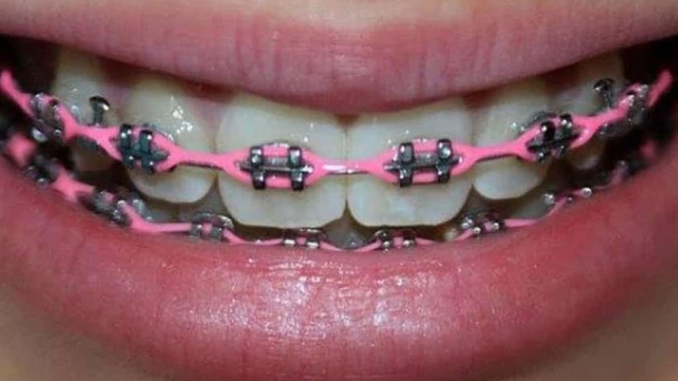
Power chains braces are a crucial element in orthodontic treatment, playing an important role in aligning teeth and closing gaps. These specialized devices, known as “cadenas de poder” in Spanish, utilize elastic materials to connect multiple brackets on braces, applying constant pressure to facilitate effective tooth movement. As the demand for orthodontics grows among Spanish speakers, understanding braces terminology in Spanish becomes increasingly essential. In this comprehensive guide, we will explore the significance of power chain braces, their functionality, and introduce orthodontic terms that will help Spanish-speaking patients navigate their treatments. By bridging the communication gap, we aim to enhance the orthodontic experience for every patient.
When discussing orthodontic appliances, one cannot overlook the significance of continuous-band connectors, such as power chains braces. These powerful elastic chains serve as a vital tool for orthodontists, primarily designed to create seamless tooth alignment and efficiently close dental spaces. In the broader context of orthodontic care, particularly for Spanish speakers, grasping the terminology associated with braces, such as “frenos” for braces and “alambre” for wire, is indispensable. Enhanced awareness of these terms empowers patients to engage with treatments actively, facilitating better communication with orthodontic providers. The alignment of dental strategies with linguistic understanding is paramount for successful orthodontic journeys.
Understanding Power Chains Braces: A Spanish Perspective
Power chains braces, or “cadenas de poder,” are a fundamental component in orthodontic treatment, particularly for Spanish-speaking patients. These elastic bands are utilized to connect brackets on braces and provide a cohesive force that aids in closing spaces between teeth. The distinctive design enables orthodontists to apply consistent pressure, resulting in more effective alignment and a desirable smile. For patients navigating orthodontic care in a second language, the terminology can often be challenging. Thus, having bilingual resources can significantly assist in demystifying the process.
For Spanish-speaking patients, comprehending how power chains influence the orthodontic journey can enhance their experience. The term “cadenas de poder” signifies not just the physical appliance but also represents a crucial connection to their treatment. Awareness of the mechanics behind these braces aids in fostering cooperation and compliance, as patients become more aware of how these devices contribute to their desired outcomes. Consequently, introducing this terminology in a familiar context ensures that Spanish-speaking patients can feel empowered during their orthodontic treatment.
The Role of Cadenas de Poder in Orthodontic Progress
Cadenas de poder play a vital role in facilitating progress toward orthodontic goals. Their primary function is to close gaps between teeth, whether the spaces arise from extraction or natural misalignment. This innovative design allows orthodontists to create a continuous pulling action, leading to a more rapid and efficient tooth movement typically desired by patients. In providing treatment, it is crucial for Spanish-speaking patients to grasp this fundamental role to understand their overall treatment strategy.
Moreover, recognizing the purpose behind the cadenas de poder can also alleviate any anxieties associated with the orthodontic process. Patients who know that these power chains contribute directly to their satisfaction are more likely to adhere to their treatment plans. Increased communication about these specialized terms results in a more collaborative relationship between the orthodontist and the patient, ensuring treatment is conducted with mutual understanding and respect.
Essential Braces Terminology for Spanish Speakers
Understanding common orthodontic terminology is essential for all patients, especially those who communicate primarily in Spanish. Key terms such as “frenos” for braces, “alambre” for wire, and “brackets” translate vital concepts that facilitate better interaction between practitioners and their patients. Incorporating these terms into patient discussions can significantly improve their ability to engage with their orthodontic care. Thus, bridging the language gap is imperative in the field of orthodontics.
Additionally, providing a glossary of braces terminology can help Spanish-speaking patients feel more confident during treatment. When patients are equipped with knowledge about their braces, including terms like “goma elástica” for elastic bands and “ortodoncista” for orthodontist, they can contribute to their care discussions in a meaningful way. As a result, including such educational resources in clinics can foster a positive approach to treatment, leading to a better overall experience.
Enhancing Patient Education in Orthodontics
Patient education serves as the foundation for successful orthodontic treatment, especially for Spanish speakers who may have limited access to information in their language. When orthodontic practices take proactive steps to present educational materials in Spanish, they empower patients to actively participate in their treatment plans. This understanding is vital for minimizing anxiety and promoting better treatment outcomes. Whether through brochures, videos, or in-person consultations, the delivery of bilingual information is instrumental.
Furthermore, educating patients about their braces methodology, including the functionality of power chains, assists them in adhering to treatment guidelines. When patients recognize the importance of following the orthodontist’s recommendations, they are more likely to achieve the results they desire. This educational initiative can transform the patient experience, making them feel more comfortable and informed throughout the orthodontic process.
Building Bilingual Communication in Orthodontic Practices
Effective communication is critical in orthodontic practice, particularly when addressing a linguistically diverse patient base. Many clinics have adopted bilingual communication strategies to overcome language barriers, ensuring that Spanish-speaking patients receive accurate information about their treatment. By integrating bilingual staff and utilizing translation services, orthodontists can provide a higher level of care and focus on patient understanding, which is vital for fostering trust and collaboration.
Additionally, employing bilingual educational materials—such as pamphlets, handouts, and digital resources—is an essential strategy to reinforce understanding and accessibility. Clinics that prioritize bilingual resources reflect their commitment to inclusivity and patient-centered care. This proactive approach not only enhances treatment experiences for Spanish-speaking patients but also acknowledges the importance of cultural sensitivity within orthodontic practices.
The Importance of Inclusivity in Orthodontic Care
Inclusivity should be a cornerstone of orthodontic care in diverse communities. Recognizing the varying backgrounds of patients, particularly Spanish speakers, orthodontic practices must prioritize providing equal access to information and resources. This dedication ensures that all patients, irrespective of their linguistic proficiency, receive the same standard of care and understanding of their treatment. It highlights the evolving nature of orthodontics, aiming to create a supportive environment for everyone.
Emphasizing inclusivity not only benefits patients but also enhances practice reputation and outreach. When clinics actively demonstrate their commitment to understanding and accommodating linguistically diverse populations, they build stronger relationships within the community. Such initiatives contribute to better health outcomes and encourage proactive engagement among Spanish-speaking patients, who are often eager to participate in their care when language is no longer a barrier.
Frequently Asked Questions
What are power chains braces and how do they work?
Power chains braces, known in Spanish as ‘cadenas de poder’, are elastic materials that connect multiple brackets on traditional braces. They provide continuous pressure to efficiently close gaps between teeth and enhance alignment throughout the orthodontic treatment.
How do power chain braces help in orthodontics for Spanish speakers?
Power chain braces are crucial in orthodontics as they assist in closing spaces and improving teeth alignment. For Spanish-speaking patients, understanding the term ‘cadenas de poder’ helps them better communicate with their orthodontist about their treatment goals.
What is the Spanish term for power chains braces?
The Spanish term for power chains braces is ‘cadenas de poder’. This term is essential for Spanish-speaking patients to effectively engage with their orthodontic treatment and understand the process.
Are power chains braces necessary for all orthodontic treatments?
Not all orthodontic treatments require power chains braces. However, they are often used when additional force is needed to close larger gaps between teeth or refine alignment, making them essential in specific cases.
How long do power chains braces typically stay on?
The duration for which power chains braces are utilized can vary, but they are commonly kept on for several weeks to months, depending on individual treatment plans and progress. Regular check-ups will determine their necessity.
What orthodontic terms should Spanish speakers know when discussing power chains braces?
Spanish speakers should familiarize themselves with key orthodontic terms such as ‘frenos’ (braces), ‘alambre’ (wire), and ‘goma elástica’ (elastic band) to improve communication with their orthodontist regarding power chains braces.
Can power chains braces cause discomfort during treatment?
Yes, power chains braces may cause some discomfort as they apply pressure to teeth to close gaps. This is similar to other braces adjustments, and most patients find that any discomfort diminishes over time as they adjust to the braces.
| Key Points | Details |
|---|---|
| Definition of Power Chains Braces | Orthodontic appliances made of elastic material connecting individual brackets to efficiently close gaps and align teeth. |
| Functions of Power Chains | 1. Close spaces between teeth. 2. Assist in teeth alignment. 3. Enhance overall treatment effectiveness. |
| Translated Orthodontic Terms | Braces: Frenos, Wire: Alambre, Bracket: Brackets, Elastic Band: Goma elástica, Orthodontist: Ortodoncista. |
| Importance of Patient Education | Crucial for ensuring effective treatment, reducing anxiety, and improving communication between patients and orthodontists. |
| Bilingual Resources | The inclusion of bilingual staff and multilingual educational materials enhances patient experience and understanding. |
Summary
Power chains braces play a crucial role in orthodontic treatment, particularly for closing gaps and aligning teeth. For Spanish-speaking patients, a clear understanding of orthodontic terminology like “cadenas de poder” is essential for effective communication and treatment success. Providing bilingual resources not only fosters better patient engagement but also serves the growing diverse linguistic needs in orthodontics. As practices increasingly embrace inclusivity through educational tools and bilingual staff, every patient, regardless of language, can achieve optimal oral health and a beautiful smile.
Leave a Reply