

The Evolution Of Power Chains In Orthodontics
Orthodontics has come a long way since its inception, and at the heart of this evolution lies the remarkable development of power chains. These essential tools not only facilitate efficient tooth movement but have also transformed patient experiences.
In this article, we delve into the intricate history of power chains, tracing their journey from rigid metal links to the innovative elastic materials used today.
As we explore how these advancements enhance treatment efficiency and improve patient comfort and aesthetics, we will also discuss future trends that promise to shape the field further. Join us as we uncover the story behind power chains and their pivotal role in modern orthodontic practice.
Historical Overview Of Power Chains In Orthodontics
The history of power chains in orthodontics reveals a remarkable journey that has significantly shaped the way dental professionals approach tooth movement. Originally, orthodontic treatments predominantly utilized metallic appliances, which laid the groundwork for early advancements in orthodontic methods. The introduction of power chains marked a pivotal moment in this evolution, allowing for enhanced control and efficiency in tooth alignment.
Power chains were first developed in the 1970s, primarily using elastic materials. This innovation provided orthodontists with a versatile tool for applying continuous forces to groups of teeth. Unlike traditional individual elastics, power chains offered a more uniform distribution of force, making it easier to achieve desired movements across multiple teeth simultaneously.
Throughout the 1980s and 1990s, the materials used for power chains continued to evolve, focusing on elasticity, durability, and aesthetic considerations. Manufacturers began to experiment with various polymer compositions, resulting in power chains that could withstand the challenges posed by biological responses within the oral environment. This evolution not only increased the effectiveness of orthodontic appliances but also improved patient comfort during treatment.
As we progressed further into the 21st century, advancements in technology and materials science brought about significant changes in power chain design. The introduction of colored and transparent options catered to patients’ preferences for aesthetics, particularly among younger clientele. This shift reflected a broader trend in orthodontics towards personalized treatment experiences, combining functionality with patient satisfaction.
Today, power chains are a fundamental component of many orthodontic practices, offering a blend of efficiency and comfort that is instrumental in effective treatment planning. Understanding this evolution helps orthodontists appreciate not just the tools at their disposal, but also the importance of adapting techniques to meet the changing needs and preferences of their patients.
The Evolution Of Power Chains: From Metal To Elastic Materials
The transition in orthodontic technology has significantly impacted the use of power chains, marking a noteworthy chapter in The Evolution of orthodontic practices. Initially, power chains were primarily made of metal, which provided necessary strength for the alignment of teeth but also brought about certain limitations. The metal chains were effective in applying the required force, yet they lacked in terms of flexibility and patient comfort.
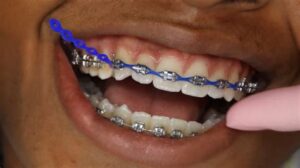
As the field of orthodontics advanced, so did the materials used in power chains. The introduction of elastic materials revolutionized the application of power chains by enhancing their adaptability and comfort for patients. These elastic chains are not only lighter but also offer improved aesthetics, allowing patients to choose from a variety of colors. This change has made a significant difference in patient satisfaction, making orthodontic treatments less daunting and visibly appealing.
Moreover, the elastic formulations provide a more consistent force over time as they stretch and recover, which proves beneficial in achieving desired orthodontic movements efficiently. This adaptability signifies a pivotal moment in The Evolution of power chains, enabling orthodontists to tailor treatments more precisely according to individual patient needs.
Overall, the shift from metal to elastic materials in power chains showcases the continuous improvement in orthodontic technology, prioritizing both treatment effectiveness and patient experience. As we look to the future, the ongoing advancements in materials will undoubtedly play a crucial role in shaping the next phase of power chain evolution.
How The Evolution Enhances Treatment Efficiency In Orthodontics
The evolution of power chains in orthodontics has significantly improved treatment efficiency through various key advancements. Initially, traditional methods relied heavily on metal components, which, while effective, often led to slower treatment times. However, the shift towards innovative materials and designs has transformed the landscape of orthodontic practices.
One of the most notable changes is the introduction of elastic power chains, which offer greater flexibility and application of force. These elastic chains adapt better to tooth movement, allowing for a more consistent and efficient application of pressure, which can lead to accelerated orthodontic treatment timelines.

Moreover, advancements such as custom 3D printing technology have enabled orthodontists to create tailored power chains that fit each patient’s unique dental structure. This personalized approach not only enhances the overall effectiveness of treatment but also maximizes the precision with which teeth can be moved, thereby reducing the number of adjustments needed throughout the process.
Additionally, the evolution of power chains has incorporated improved bonding techniques and knot designs. These features minimize slippage and ensure that the power chains remain securely in place, which optimizes the treatment and enhances the overall efficiency. As a result, patients find themselves spending less time in dental chairs and experiencing quicker results—a win-win for both practitioners and patients.
The evolution of power chains in orthodontics has greatly enhanced treatment efficiency by introducing elastic materials, personalized design approaches, and reliable bonding techniques. As orthodontists continue to harness these innovations, the future of orthodontic treatment looks promising and effective.
Impact Of The Evolution On Patient Comfort And Aesthetics
The evolution of power chains in orthodontics has significantly contributed to both patient comfort and aesthetics. With advancements in materials and design, orthodontic treatments have become more user-friendly and appealing to patients of all ages.
Traditionally, metal power chains were the standard, providing effective force for moving teeth but often causing discomfort due to their rigidity. However, the introduction of elastic materials has transformed this aspect of treatments. These newer materials are not only lighter and more comfortable to wear but also adapt better to the unique contours of each patient’s mouth, reducing the overall pressure on teeth and gums.
Furthermore, aesthetic considerations have improved dramatically. Patients now have access to a variety of color options that can match their personal style, allowing them to feel more confident during their treatment. The use of clear or tooth-colored power chains has also become increasingly popular, especially among adult patients who prioritize discretion during their orthodontic journey.
Overall, this evolution has resulted in a more enjoyable orthodontic experience, encouraging patients to adhere to their treatment plans, knowing they can maintain a positive appearance while achieving their desired results. This shift not only enhances patient satisfaction but also supports better long-term dental health outcomes.
Future Trends Following The Evolution Of Power Chains In Orthodontics
As we look to the future, the The Evolution of power chains in orthodontics is set to pave the way for significant advancements in treatment methodologies and technologies. Here are some notable trends to anticipate:
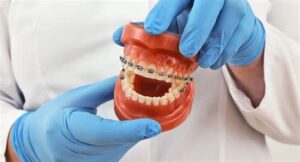
- Smart Materials: The development of materials that can adapt to the patient’s dental movements will revolutionize orthodontic treatment, maximizing efficiency while minimizing discomfort.
- Customized Solutions: With advancements in 3D printing technology, orthodontists may soon be able to create personalized power chains tailored to each patient’s unique dental structure, leading to improved results and faster treatment times.
- Integration of Technology: The fusion of digital orthodontics with power chains may streamline treatment planning and execution, allowing for enhanced predictive modeling in treatment outcomes.
- Biocompatibility: Future power chains will likely focus on using biocompatible materials that reduce allergic reactions and enhance patient comfort.
- Improved Aesthetics: The push for aesthetic designs in orthodontic solutions may continue, leading to the development of more discreet options that blend seamlessly with a patient’s natural dental appearance.
- Sustainability: The trend towards eco-friendly materials and manufacturing processes is expected to influence the future production of power chains, aligning with the growing consumer demand for sustainable healthcare products.
These trends reflect a landscape where the orthodontic community continuously seeks to enhance patient outcomes and experiences. The ongoing evolution of power chains will undoubtedly contribute significantly to the future of orthodontics, making it essential for professionals to stay abreast of these developments.
Frequently Asked Questions
What are power chains in orthodontics?
Power chains are elastic chains used in orthodontic treatment to close gaps between teeth, apply consistent pressure, and help guide teeth into their desired positions.
How have power chains evolved over time?
The evolution of power chains has included advancements in material technology, design improvements for better effectiveness, and increased customization options for specific patient needs.
What materials are power chains made from?
Power chains are typically made from medical-grade elastomers which offer durability and flexibility, allowing them to exert continuous pressure on the teeth.
What are the benefits of using power chains over traditional braces?
Power chains provide more effective gap closure and alignment of teeth compared to traditional individual elastics, leading to improved treatment efficiency.
Are there any limitations or drawbacks to using power chains?
Some limitations of power chains include potential discomfort during the adjustment period and the need for careful maintenance to avoid issues like breakage or plaque accumulation.
How often do orthodontists change power chains?
Orthodontists typically recommend changing power chains every 4 to 6 weeks, depending on the progress of the treatment and the specific needs of the patient.
Can power chains be used for all types of orthodontic cases?
While power chains are highly effective, they may not be suitable for every case; orthodontists evaluate individual situations to determine the best approach for treatment.
Leave a Reply