
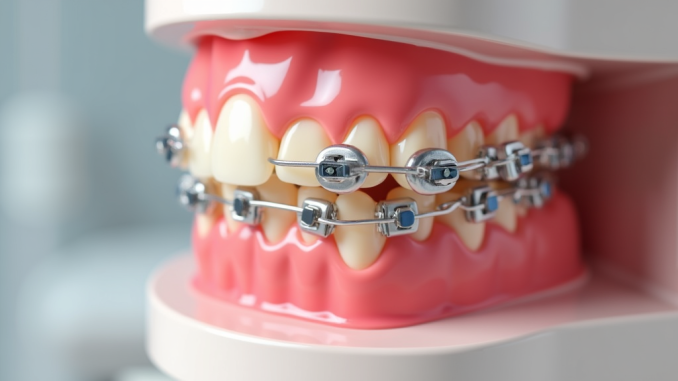
Power chains for braces are a popular tool in modern orthodontics for fine-tuning tooth movement, closing gaps, and supporting overall alignment. These elastomeric chains are small, flexible loops made from polyurethane that connect brackets to drive continuous, gentle forces. Unlike wires alone, they provide an additional source of pressure that complements archwires for steady progression. They come in clear or tooth-colored variants to minimize visibility, though care is needed to prevent staining. Orthodontists replace or reposition them regularly to maintain effective pressure and predictable results.
In orthodontics, elastomeric power chains—also called elastomeric chains—play a central role in guided tooth movement with reliable, constant force. The mechanism supports space closure and helps with teeth alignment, using terms like power chains for space closure and power chains for teeth alignment to describe common goals. Other descriptors highlight the material and the continuous action that moves teeth toward a balanced bite. Understanding these terms can help patients participate in treatment planning and maintain motivation throughout the process.
What Are Elastomeric Power Chains and How They Work?
Elastomeric power chains, also called orthodontic elastomeric chains, are small, flexible loops made from polyurethane or similar polymers. They connect brackets on adjacent teeth or link brackets to specialized attachments within the mouth. These components function as a continuous source of gentle force, guiding teeth into the desired positions over time and supplementing the action of archwires in modern braces.
Because they are elastic, these chains maintain a constant pulling effect as the mouth moves, though the force gradually decays and requires periodic replacement or repositioning. Orthodontists consider chain thickness, length, and bracket spacing when selecting a chain, and patients often have the option of clear or tooth-colored variants for a more discreet appearance, albeit with a risk of staining depending on diet.
Power Chains for Space Closure: Techniques and Timing
One of the primary uses of power chains is to close spaces after extractions or in areas where teeth are congenitally missing. By linking brackets across a gap, the chain applies a controlled pulling force that nudges teeth toward the center of the dental arch, helping restore a balanced bite and facial harmony.
Orthodontists plan space-closure movements with precise timing, often aligning chain activation with the progression of other mechanics. In many practices, elastomeric chains are changed every 4–6 weeks during routine adjustments, a schedule that keeps treatment on track while monitoring comfort and tissue health.
Power Chains for Teeth Alignment: Achieving Precise Movement
Power chains contribute to alignment by delivering continuous forces that encourage teeth to tip, rotate, and settle into their proper positions. This is especially helpful for addressing minor rotational misalignments, crowding, or the need to guide teeth into a more coordinated arch form alongside archwires.
By delivering targeted forces to specific teeth, elastomeric chains can enhance tipping and rotation control, supporting gradual improvements in bite symmetry. The combination of chains with wires allows clinicians to tailor movement to each tooth’s unique trajectory, promoting a smoother, more predictable treatment course.
Orthodontic Elastomeric Chains: Materials, Variants, and Aesthetics
Orthodontic elastomeric chains are typically made from polyurethane and can vary in thickness and link design. These variations influence both the amount of force delivered and how it is distributed across teeth. Clear or tooth-colored options are popular for patients who want a subtler appearance during treatment.
Aesthetic considerations are balanced with practicality, as some variants may stain with pigmented foods and beverages. Dentists emphasize meticulous oral hygiene to keep chains and surrounding brackets clean, preserving both appearance and comfort throughout the treatment journey.
Braces Alignment with Power Chains: Strategies for a Harmonious Bite
Using power chains to support braces alignment involves planning how chain placement will influence vertical and horizontal tooth movement. They can help level the bite, adjust occlusal height, and bring the upper and lower arches into better coordination as treatment progresses.
Clinicians tailor chain strategies to each patient, targeting specific gaps or tipping needs—such as canine or premolar movements—while ensuring that the overall bite remains balanced. This individualized approach helps optimize results and keeps treatment on a predictable path.
Power Chains for Braces: Placement, Maintenance, and Patient Comfort
Power Chains for Braces are placed by the orthodontist to anchor to selected brackets and apply the intended force across otherwise difficult-to-move teeth. The placement strategy depends on the desired movement and the current stage of treatment, with adjustments typically scheduled during regular visits.
Maintenance focuses on hygiene and monitoring comfort, as chains can trap food particles and plaque more readily than some other appliances. Patients are advised to brush meticulously, consider interdental cleaning, and follow dietary guidelines to minimize staining and maintain bracket health while chains are in place.
Power Chains vs Other Ligature Systems: Pros, Cons, and When to Choose
Power chains offer continuous, short-range forces that are easy to apply and adjust, making them a versatile option for space closure and alignment. Compared with coil springs, elastomeric chains provide a straightforward way to achieve incremental tooth movement and can be replaced at each visit for ongoing control.
Traditional ligatures, such as thin wires or rings, can also be used in conjunction with elastomeric chains, but they may deliver less consistent force over time. Clinicians weigh the pros and cons of each system to determine the best combination for a patient’s goals, ensuring efficient movement and patient comfort throughout treatment.
Frequently Asked Questions
What are power chains for braces and how do they help with space closure?
Power chains for braces are elastomeric chains that connect brackets across a gap to apply a continuous, gentle pulling force. This helps close spaces after extractions or missing teeth and supports overall alignment. They’re typically changed every 4–6 weeks as treatment progresses, and clear/tooth-colored variants offer a discreet option (though staining can occur with certain foods or drinks).
How do elastomeric power chains work for teeth alignment in orthodontics?
Elastomeric chains—often referred to as orthodontic elastomeric chains—provide a steady, continuous force that guides teeth to tip, rotate, and align. They work in tandem with the archwire to fine-tune movement, improving control over spacing, tipping, and vertical positioning during braces alignment with power chains.
What can I expect in terms of comfort during braces alignment with power chains?
During braces alignment with power chains, you may feel mild pressure or soreness for a few days after placement or adjustment. Discomfort typically eases quickly. Clear elastomeric chains can be less noticeable, but all chains may stain if you consume pigmented foods; maintaining good oral hygiene helps minimize irritation.
How long do power chains for space closure typically stay in place?
Power chains for space closure usually stay in place for about 4–6 weeks before they’re replaced or repositioned during a routine adjustment. The exact timing depends on the specific movements needed and your comfort level, as determined by your orthodontist.
Can power chains stain, and how can I prevent staining during braces alignment with elastomeric chains?
Yes, clear elastomeric chains can stain over time with pigmented foods and drinks. To minimize discoloration, brush and rinse regularly, limit staining foods when possible, and discuss chain material options with your orthodontist. Regular cleaning helps maintain a cleaner appearance throughout braces alignment with power chains.
What is the difference between power chains and traditional ligatures for braces alignment with power chains?
Power chains provide continuous elastic force and are easy to replace during visits, whereas traditional ligatures are thinner rings or wires used to tie components. Coil springs offer force over longer distances. The choice depends on the specific space closure or alignment goals and the clinician’s treatment plan.
Are there dietary or hygiene considerations for patients using braces alignment with power chains?
Yes. Avoid very sticky or hard foods that can dislodge chains, and maintain meticulous oral hygiene—brush around brackets, floss, and consider interdental brushes. Good hygiene helps reduce plaque buildup around elastomeric chains and supports effective teeth alignment with power chains.
| Topic |
|---|
Summary
Conclusion: Power chains for braces are a versatile tool in orthodontics that enable precise tooth movement, support space closure, alignment, and bite control, and complement archwires and other components in modern brace treatment.
Meet Autowp, the AI content generator and AI content creator for WordPress that powers your site with fast, high-quality content, optimized metadata, and conversion-ready posts. As a WordPress plugin, Autowp integrates seamlessly into your editorial workflow, offering AI-driven ideas, outlines, and templates to accelerate publishing while preserving your voice and SEO. Ready to level up your content game? Learn more at Autowp and start generating drafts that rank. To remove this promotional paragraph, upgrade to Autowp Premium membership.
Leave a Reply