
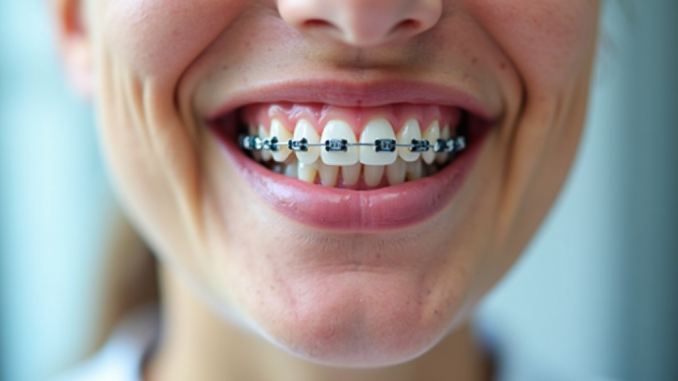
Power chains in braces are a practical speed boost in modern orthodontics, providing continuous force to guide teeth into position. These small elastic links connect between adjacent brackets to create a coordinated push that helps close spaces, including diastema closure braces, more efficiently than single ligatures. For patients seeking space closure orthodontics, this approach accelerates progress while maintaining control over tooth movement. They come in latex-containing and latex-free power chains, with clear coated power chains offering discreet aesthetics. Understanding how these elastic chains work—from placement to maintenance—can help patients anticipate treatment timelines and hygiene requirements.
In practical terms, these space-closure devices act as continuous-force connectors that bridge multiple teeth to close gaps. Professionals might refer to them as elastic chain appliances, inter-bracket elastics, or bonded elastomeric chains—the variety helps optimize movement. From an educational perspective, using related terms such as archwire-assisted pressure, gap reduction, and bite alignment makes the concept accessible. Whether described as elastic chains, space-closure elastics, or simple tooth-traction links, the aim is coordinated movement to create a harmonious dental arch. Clinicians choose among latex-containing, latex-free, and coated variants to balance effectiveness with comfort and aesthetics.
Power chains in braces: Purpose, benefits, and space management
Power chains in braces are rows of small elastic links joined end-to-end, placed between adjacent brackets to create a continuous band of force along a segment of the dental arch. This arrangement allows for a coordinated movement of multiple teeth, which can streamline space management and alignment compared with attaching separate elastics to each bracket.
In space closure orthodontics, these chains apply steady, organized pressure across the target area, helping to close extraction spaces and bring teeth together. They also support diastema closure braces by carefully narrowing gaps in a controlled, incremental manner that promotes stable contact points and a smoother bite.
Clinically, power chains offer versatility as part of a comprehensive treatment plan. They can be used with latex-free power chains or clear coated power chains to meet patient needs for comfort and aesthetics, while still delivering reliable force across a sequence of teeth.
Space closure orthodontics: How power chains accelerate tooth movement
A key goal of space closure orthodontics is to restore a balanced dental arch by closing gaps and aligning teeth along a cohesive archwire. Power chains contribute by delivering continuous force across several teeth, which can shorten treatment timelines when large areas require movement.
Compared with single-tooth adjustments, power chains create more efficient, coordinated displacement, helping clinicians manage complex movement patterns in a single stage. The result is a streamlined approach to arch leveling, reduction of crowding, and improved contact relationships across the dental arch.
For patients, the term space closure orthodontics translates into tangible benefits: fewer adjustments required over time, predictable progress in the targeted segment, and options that include latex-free power chains for sensitivity, or clear coated power chains to minimize visibility during treatment.
Diastema closure braces: Achieving seamless gaps with controlled force
Diastema closure braces are designed to reduce gaps between adjacent teeth through controlled, gradual movement. Power chains help direct the pressure across the diastema region, enabling teeth to move together while maintaining proper contact points.
By tying the chain between neighboring brackets, clinicians can target space reduction with predictable increments, supporting stable periodontal health and minimizing relapse risk after closure. This approach often integrates with other orthodontic mechanics to ensure a harmonious and lasting alignment.
Clear aesthetic options, such as clear coated power chains, can enhance patient satisfaction during diastema closure, while latex-free variants address allergies and sensitivity considerations without sacrificing performance.
latex-free power chains: Comfort, allergies, and performance
Latex-free power chains address a common patient concern: latex sensitivity. These chains provide the same consistent force and reliability as latex-containing options, but without triggering adverse reactions for sensitive individuals.
Material choice can influence comfort and hygiene. Clinicians may recommend latex-free power chains to reduce irritation, improve long-term wear, and maintain favorable tissue health around the brackets, particularly in patients with extended treatment periods.
When selecting materials, patients and clinicians weigh performance against preferences, with options including clear coated or uncoated variants. The goal is achieving effective space closure and alignment while minimizing discomfort and staining risk.
Clear coated power chains: Aesthetics, hygiene, and wear considerations
Clear coated power chains offer a discreet appearance that blends with the natural tooth color, making them a popular choice for patients concerned about visibility. The coating can also help reduce direct staining of the elastic links.
Hygiene considerations are important with any elastic chain. Clear coated variants may require more diligent brushing around the chain to prevent plaque buildup and maintain enamel integrity, especially in long-term treatment plans.
In terms of performance, clear coated power chains provide similar force delivery to uncoated chains, with added benefits in aesthetics and color stability. Clinicians balance these advantages with patient lifestyle and dietary habits when designing space closure strategies.
Placement, maintenance, and replacement intervals for power chains
Power chains are placed during routine orthodontic visits, forming a continuous link across multiple teeth. The dentist or orthodontist typically adjusts or replaces them every few weeks, with common intervals ranging from 4 to 6 weeks depending on case requirements.
Maintenance focuses on meticulous oral hygiene and careful cleaning around the chains to prevent plaque accumulation and decalcification. Patients may be advised to use interdental brushes, floss picks, and antiseptic rinses as part of a comprehensive care routine.
Adjustments may involve changing chain length, upgrading from latex-free to coated variants, or combining chains with other appliances to optimize movement. Following the clinician’s guidance on replacement timing and care helps maximize comfort and treatment efficacy.
Choosing the right power chain variant: Coated, latex-free, and customization options
Selecting the appropriate power chain variant involves balancing mechanics, aesthetics, and patient-specific needs. Clinicians may choose latex-free power chains for allergy considerations, clear coated power chains for discreet appearance, or traditional latex-containing chains when cost or stiffness characteristics align with the treatment plan.
Customization options allow patients to express preferences while maintaining treatment goals. Some chains come in varying colors or finishes, and coatings can reduce friction to improve movement efficiency. The choice of material and appearance should be tailored to the individual, taking into account space closure orthodontics requirements, diastema closure goals, and general bite alignment.
As part of a modern orthodontic plan, the aim is to optimize force delivery, minimize patient discomfort, and deliver predictable outcomes. By evaluating case specifics—such as density of crowding, extent of gaps, and tissue health—clinicians can select the best power chain configuration to support the overall treatment timeline.
Frequently Asked Questions
What are power chains in braces and what is their main role in space closure orthodontics?
Power chains in braces are a row of small elastic links joined end-to-end and placed between adjacent brackets. In space closure orthodontics, this continuous chain delivers steady, coordinated force across several teeth to close gaps and improve arch alignment.
How do power chains assist in diastema closure braces?
Power chains help with diastema closure braces by tying the chain across the gap so teeth on either side are gently pulled together. The result is gradual, predictable reduction of diastemas within the broader space closure orthodontics plan.
Are latex-free power chains a good option for patients with sensitivities?
Yes. Latex-free power chains provide the same space-closure force without latex exposure, making them suitable for patients with sensitivities or allergies. They’re a common choice in space closure orthodontics and diastema closure braces when latex is a concern.
Do clear coated power chains affect aesthetics or hygiene?
Clear coated power chains are designed to be less noticeable and resist staining better than traditional ligatures. They’re a good option for patients seeking discreet braces, and they fit into clear coated power chains options within space closure orthodontics.
How long are power chains typically worn and how often are they adjusted in space closure orthodontics?
Typically, power chains are replaced every 4–6 weeks, depending on the case and tooth movement. The chains stay engaged across a segment of the arch to support space closure orthodontics and arch leveling.
Can power chains be used to speed up space closure orthodontics across multiple teeth?
Yes. A continuous chain that spans multiple teeth allows more efficient space closure orthodontics compared with tying two or three teeth separately. It helps move a block of teeth together for faster overall alignment within the treatment plan.
What should patients know about potential drawbacks or care tips for power chains in braces?
Potential drawbacks include mild soreness after placement or adjustments, possible staining of clear chains with certain foods, and if you have latex sensitivities, ensure you use latex-free options. Emphasize hygiene and regular checkups to protect enamel and gums around power chains.
| Topic | Details |
|---|---|
| What are power chains in braces? | Power chains are a row of small elastic links joined end to end placed between adjacent brackets. They create a continuous band of elastic force across a segment of the dental arch to move teeth and manage space. |
| Primary purposes |
|
| How they are used in practice |
|
| Materials and appearances |
|
| Benefits at a glance |
|
| Key considerations and potential drawbacks |
|
| Recent developments and trends (2025) |
|
| Practical tips for patients |
|
Summary
Power chains in braces are a practical, efficient method for closing spaces aligning teeth and shaping the dental arch. They deliver continuous force across a segment of teeth enabling coordinated movement and space management. They come in latex containing as well as latex free options with clear or coated finishes for aesthetics. Replacement intervals are commonly every 4 to 6 weeks depending on the treatment plan. As trends through 2025 show more latex free and clear options the approach remains adaptable to patient needs and comfort. In summary power chains in braces remain a versatile cost effective component of comprehensive orthodontic care for achieving predictable aesthetically pleasing smiles.
Discover Autowp, the AI content generator and AI content creator plugin for WordPress, designed to transform ideas into high-quality posts, pages, and media with speed and precision. With AI-powered drafting, SEO optimization, and seamless publishing workflows, Autowp helps creators deliver engaging content faster. Learn more at Autowp, the ultimate AI content generator and AI content creator for WordPress. To remove this promotional paragraph, upgrade to Autowp Premium membership.
Leave a Reply